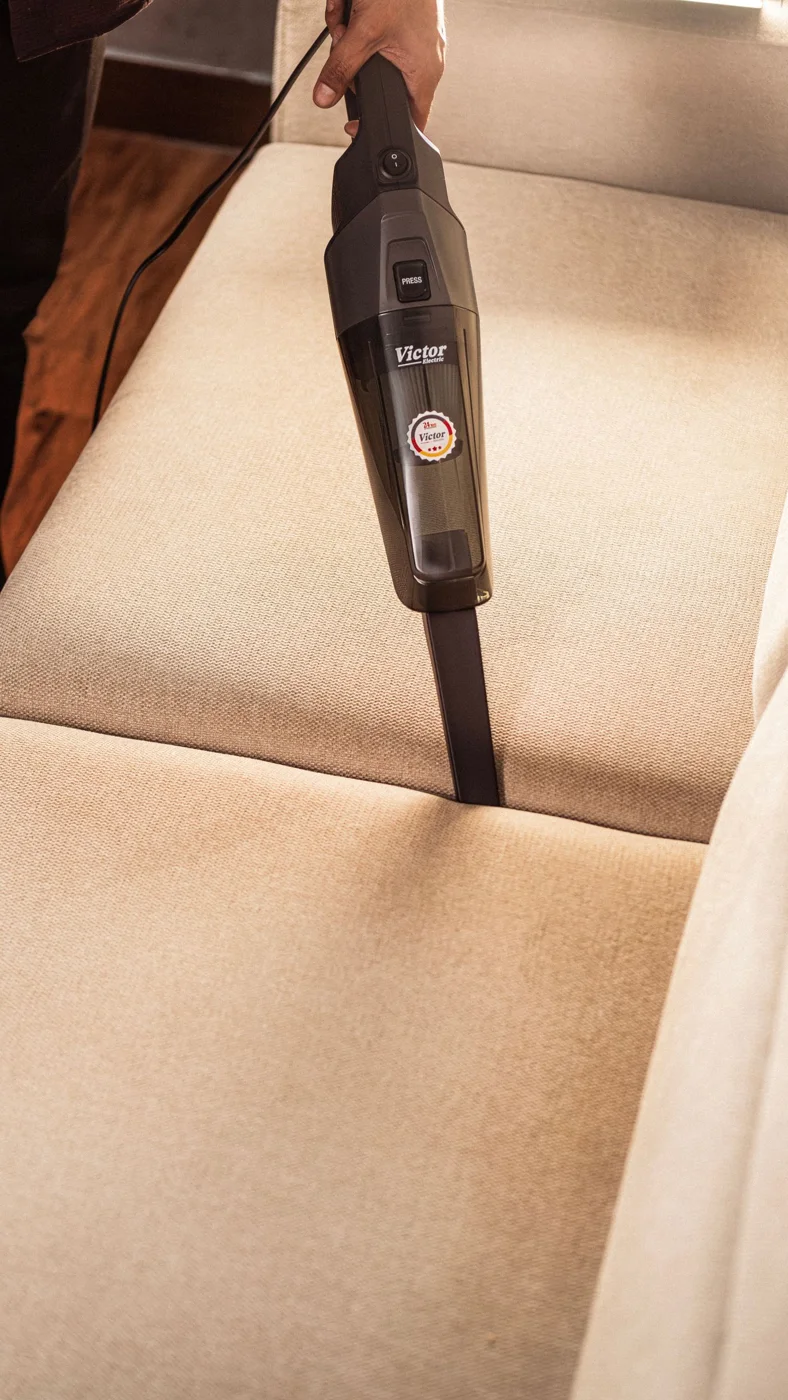
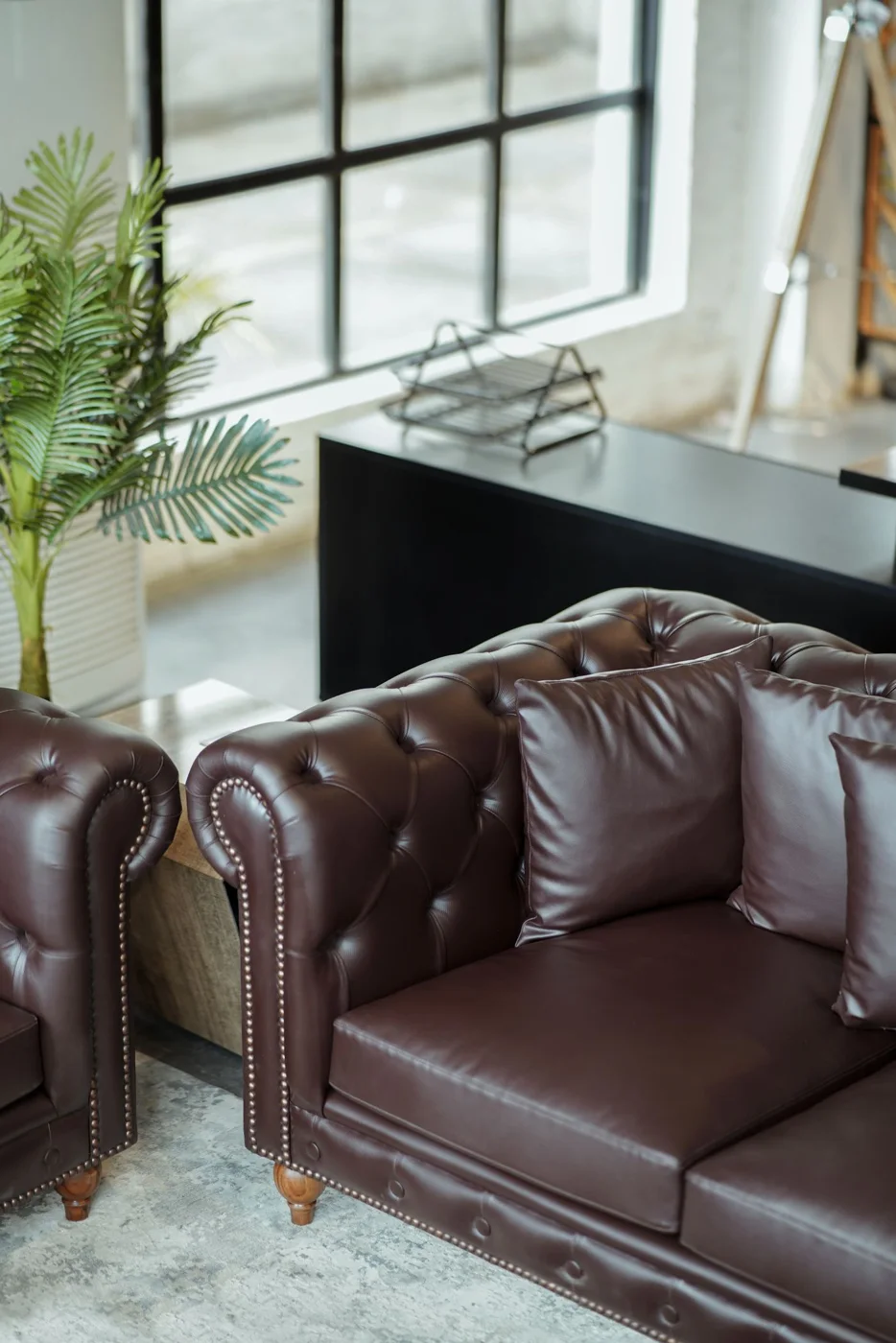
Dining chairs, an armchair and a padded headboard collect different kinds of marks. Upholstery cleaning should start with the furniture you own, not a standard method applied to everything. Go Cleaners Guildford helps you describe each piece, check its care information and agree the accessible areas, so the appointment addresses the parts that need attention.
List each armchair, dining seat, bench or headboard, with photographs and care labels. Identify the panels and marks that concern you. Loose cushions, fixed coverings and decorative trims may need different handling.
Armchairs and occasional chairs
Show the seat, arms and back, including the area normally hidden by a cushion. Headrests and arm fronts often carry concentrated body oils or everyday contact marks. State whether the chair reclines and whether its mechanism is manual or electric. Cleaning coverage needs to account for safe access, and powered parts must not be treated as ordinary fabric surfaces.
Dining seats and benches
Count each chair or section of an upholstered bench rather than describing only the table size. Include fabric backs as well as seats if you want both assessed. Food marks, water rings and wear around the edges should be identified separately. Explain whether the chairs can be moved into a suitable working area without obstructing household access.
Cushions, headboards and panels
Loose cushions may have different fillings or instructions from the furniture frame. An upholstered headboard also needs a plan for protecting the bed and accessing the edges. Describe which items are removable and which are fixed. Trims, buttons and decorative stitching can change the work involved, so include them in the photographs rather than assuming they are a minor detail.
Spots, odours and worn fabric
Point out marks and say what caused them if known. Cleaning cannot replace missing pile, repair torn fabric or reverse all colour loss. Smells need their own history, especially after a spill has soaked into cushioning. If a product has already been used, name it. That helps distinguish removable surface soil from damage or contamination deeper inside the piece.
CHOOSING THE RIGHT SERVICE
Reading a care label before choosing treatment
Check under the seat or cushions for manufacturer information. Some furniture carries cleaning codes or specific written restrictions; these should be interpreted alongside the maker’s instructions, not as permission to use any household cleaner. If there is no label, say so. Fibre identification, colour stability and the way the fabric is attached still need consideration before treatment.
Velvet, linen blends, wool and synthetic coverings may respond differently to moisture and agitation. Decorative fabrics can also contain several fibres. Show any change in texture or colour that appeared after earlier cleaning. A valuable or fragile item may need a specialist route, and it is better to establish that before an unsuitable appointment is booked.
Cleaning the covering without promising a new piece
The covering’s material and current condition determine what improvement is realistic. Loose soil and general marks are different from fading, pulled threads or permanent staining. Ask which method is proposed and which panels it covers. An inconspicuous test may be needed where dye stability, finish or previous treatment creates uncertainty about the result.
Padding and construction affect moisture tolerance. Surface cleaning does not mean every layer inside the furniture has been treated, and a persistent smell may have a deeper source. Drying also varies with the material and room conditions. Plan for a period when the furniture can remain unused, and ask when cushions can be returned to their usual positions.
Preparing the furniture and the room around it
Remove throws, personal belongings and loose items around the furniture. Keep the care label available and point out fragile legs, loose joints or damaged seams. Agree whether larger pieces remain in place or can be moved safely. Do not remove fitted upholstery or take apart a mechanism to prepare it; the appointment concerns accessible cleaning, not furniture dismantling.
Clear enough space for the agreed areas to be reached and explain stairs or tight doorways when booking. Mention electric recliners and any special instructions from the manufacturer. Keep children and pets away during the work. If a headboard is included, discuss bedding and protection of nearby surfaces so the plan suits the bedroom rather than just the fabric.
THE DETAILS OF YOUR VISIT
Describing the pieces for an accurate enquiry
Send photographs and the quantity of each piece, including cushions and requested panels. Include care labels, stain history and access details. Check the upholstery prices and minimum charges, then confirm the quoted scope for your furniture.
Use the manufacturer’s guidance for routine vacuuming and brushing, especially where a delicate pile or textured surface is involved. Avoid scrubbing at a spill or trying several products in succession. Keep a record of the spill and any treatment already applied. A removable cover should only be washed if its own instructions allow the proposed process.
After cleaning, allow the agreed drying period before replacing throws or sitting on the furniture. Avoid enclosing damp cushions in a tight arrangement that restricts airflow. Ask whether the upholstery needs any particular finishing care. If a mark returns, share a photograph and the original history so it can be assessed rather than repeatedly treating the area yourself.
HOW TO ARRANGE YOUR VISIT
Book with a clear plan
Describe the job
Call with your Guildford postcode, the rooms or items involved and the condition you want addressed. Mention access and your preferred date.
Confirm what is included
Discuss the tasks, any separate treatments and the quotation. Confirm availability, equipment arrangements and anything you need to prepare before agreeing the visit.
Prepare the work area
Follow the preparation advice for this service, arrange access and keep delicate belongings clear. Let the team know if conditions change before the appointment.
YOUR QUESTIONS ANSWERED
Upholstery Cleaning: useful questions
Which furniture can I include in the enquiry?+
List chairs, benches, headboards and loose cushions separately with photographs and labels. Suitability and requested panels need checking for each item. A delicate decorative covering may require different care from an ordinary dining seat.
Are removable covers always washable?+
A zip does not mean machine washing is suitable. Follow the cover and filling instructions; an unsuitable wash can change size, finish or colour. Mention any previous washing so the current condition can be assessed.
Can upholstery cleaning remove water rings?+
Some rings improve; others involve dye movement or fabric changes. Explain how the ring appeared and what was applied afterwards. Assessment needs to consider the surrounding material as well as the visible edge.
Is leather included in upholstery cleaning?+
Identify leather pieces separately because finish care differs from fabric treatment. Share maker information and see leather furniture care. A method quoted for dining-chair fabric should not automatically extend to a leather armchair.
When can the furniture be used again?+
Covering, construction, method and room conditions affect drying. Ask for specific instructions and avoid essential use immediately afterwards. A padded dining seat and a deeply cushioned armchair may not be ready at the same time.
A DIFFERENT JOB TO ARRANGE?
Related cleaning services
Some jobs need a separate service. These pages explain the differences so you can ask for the right work when you call.
Call with your full postcode to check coverage and appointment availability. Mention parking, keys, entry codes or a shared entrance when discussing the visit. You can also enquire about nearby Surrey locations; availability is confirmed for your address.