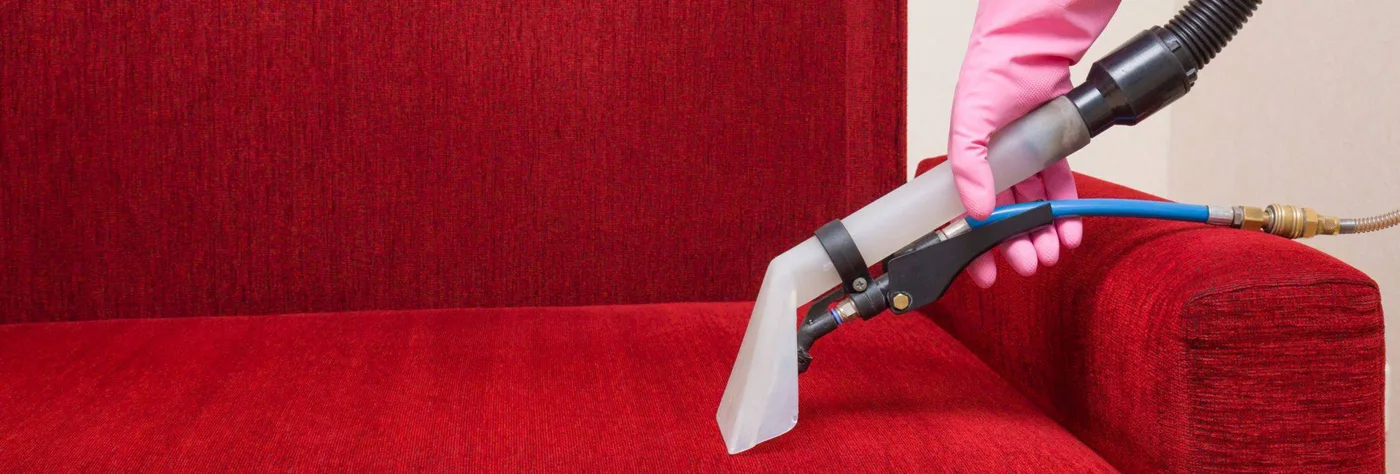
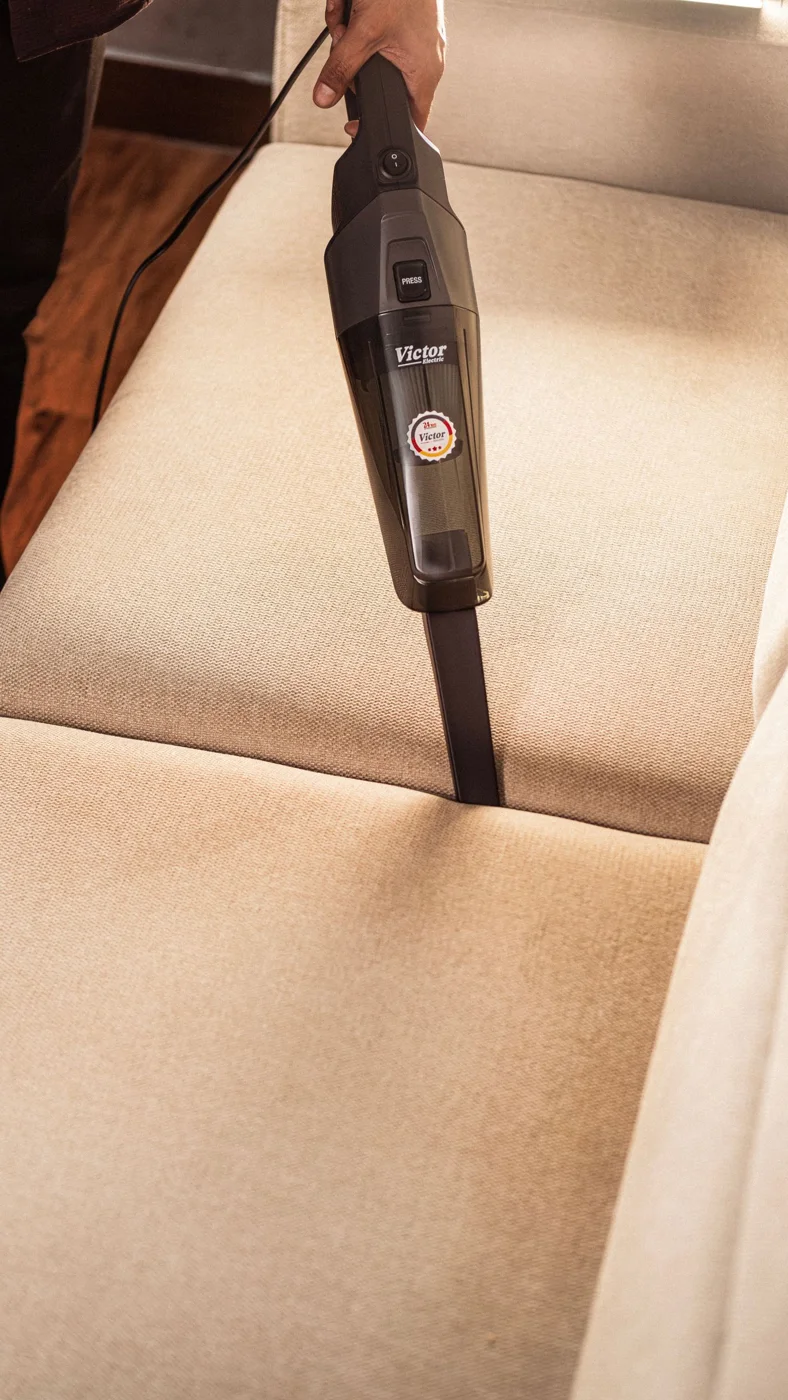
The fabric on a waiting-room seat or office chair can hold dirt even when the surrounding room is cleaned regularly. A separate upholstery clean focuses on the fabric of the seating you want treated. Go Cleaners Guildford can discuss the seating in your premises, starting with the material, care information and condition, then planning the work around the time those chairs or sofas can remain out of use.
What to include in your commercial upholstery cleaning brief
Count the pieces and describe them clearly: office chairs, upholstered meeting chairs, sofas, benches or removable cushions. Photographs of the whole item and any marks are useful. Look for a fabric label, supplier information or manufacturer care guide. The cleaner needs to know what is being treated, not just that it is a chair, because different covers and constructions have different limits.
Office and meeting chairs
A batch of office chairs may look uniform but include different fabrics, backs or armrests. Count the items and state which upholstered parts need attention. Separate hard plastic or metal components from the fabric request. Worn foam, loose seams and broken mechanisms are repair matters. A cleaning brief should focus on the material that can be treated and avoid promising that an old chair will become new.
Reception sofas and waiting seats
Reception seating often has visible marks on arms and seat fronts, while other areas are less soiled. Describe the furniture size, fabric and any fixed cushions. Explain whether seating can be taken out of use and where it will remain during the appointment. Deeply embedded odours and old stains need assessment; they should not be covered by a blanket promise of complete removal.
Fabric identification and care restrictions
Keep the supplier’s fabric information if available. A commercial textile can be wool, polyester or another blend, and a cleaning method suitable for one is not automatically suitable for another. Follow the care instructions for the actual textile, since permitted methods vary by fabric. Removable covers should not be assumed machine washable. Decorative trims, backing and dyes can also affect the approach to a particular item.
Stains and existing condition
Tell us what caused a mark, when it appeared and which products have already been used. Photos help distinguish the areas of concern, though a closer assessment may still be needed. Fabric colour loss, abrasion and damaged stitching will remain maintenance issues. Avoid adding further products before discussing the stain; layers of previous treatment can make both the condition and possible result harder to judge.
CHOOSING THE RIGHT SERVICE
Choose the pieces that need attention
Count the regularly used pieces and identify why each needs treatment: general soiling, a particular spill or preparation for new occupants. A marked reception sofa may be the priority while lightly used meeting chairs need less attention.
Office chairs, fixed benches and lounge furniture differ in access and care. Identify leather or specialist coverings separately from fabric. If the surrounding floor is the main issue, cleaning the business carpet is a separate task.
Use the textile information
Find the fabric label or supplier care instructions, particularly for furniture supplied during a fit-out. Fibre, backing and finishes affect suitability. Steam or a strong spot product should not be chosen merely because the material appears durable.
A discreet suitability check does not guarantee stain removal. Previous treatments, wear and fading may affect the result. Explain unusual contamination or a specialist healthcare setting before booking; ordinary furniture cleaning is not automatically appropriate for those requirements.
Provide space and alternative seating
Clear coats, bags and personal belongings. Decide where items will be treated and who moves them. Heavy sofas, fixed benches and chairs connected to equipment need a handling plan. Secure documents and fragile objects near the work area.
Give lift, parking and entry details, and arrange relevant utilities or ventilation. If staff or visitors remain present, provide alternative seating. Keep treated pieces out of use until ready, with clear instructions to prevent somebody sitting on a chair still drying.
THE DETAILS OF YOUR VISIT
Quote by furniture item
Send counts and photographs, including labels. Describe the type, condition and whether cushions are fixed or removable. A sofa and a simple meeting chair need different scope details. State how long the seating can remain unavailable.
Follow the drying and return-to-use advice for the actual fabric and treatment. Do not cover damp seating or stack upholstered chairs unless advised it is suitable. Inform users which items remain unavailable while the furniture dries.
Appropriate routine vacuuming and prompt spill reporting can reduce build-up, following the maker’s care guide. Avoid untested mixtures and excessive rubbing. Record what caused a mark and any products used so a later treatment can be assessed with that history.
HOW TO ARRANGE YOUR VISIT
Book with a clear plan
Describe the job
Call with your Guildford postcode, the rooms or items involved and the condition you want addressed. Mention access and your preferred date.
Confirm what is included
Discuss the tasks, any separate treatments and the quotation. Confirm availability, equipment arrangements and anything you need to prepare before agreeing the visit.
Prepare the work area
Follow the preparation advice for this service, arrange access and keep delicate belongings clear. Let the team know if conditions change before the appointment.
YOUR QUESTIONS ANSWERED
Commercial Upholstery Cleaning: useful questions
Can you clean a batch of office chairs?+
Send the number of chairs, photographs and any fabric information so the request can be assessed. State which upholstered parts need cleaning and where the items can be treated. Different chair models may have different care needs. Moving, dismantling or repairing chairs should not be assumed part of the appointment unless expressly discussed and agreed.
Are all commercial fabrics suitable for steam cleaning?+
No. Commercial fabrics differ in fibre, backing, dyes and finishes, and manufacturer care information may allow different options. Identify the textile if possible and share the care guide. A particular method should be confirmed after assessment rather than chosen solely because it is familiar. Removable covers also should not be assumed suitable for a washing machine.
Will old stains disappear completely?+
Some marks improve with suitable treatment and others remain. Stain type, age, previous products and fabric condition all influence the result. Tell us what happened if you know. Wear, fading and colour loss are different from dirt and cannot be reversed by cleaning. A realistic discussion of each item is more useful than a general stain-removal guarantee.
When can staff use the chairs again?+
The return-to-use time depends on the treatment, fabric and drying conditions. Discuss your meeting or opening schedule before booking and allow the items to remain unused as advised. Have alternative seating available if necessary. Do not rely on an exact drying time taken from another job, because upholstered pieces and room conditions can differ considerably.
Is furniture cleaning included in routine office cleaning?+
It needs a separate agreement. A routine office visit may cover accessible hard surfaces and floors, while upholstery treatment has its own care, time and drying requirements. Mention the seating in your enquiry and ask for a clear item-based scope. That lets you plan the furniture work without assuming it will happen during a normal cleaning visit.
A DIFFERENT JOB TO ARRANGE?
Related cleaning services
Some jobs need a separate service. These pages explain the differences so you can ask for the right work when you call.
Call with your full postcode to check coverage and appointment availability. Mention parking, keys, entry codes or a shared entrance when discussing the visit. You can also enquire about nearby Surrey locations; availability is confirmed for your address.