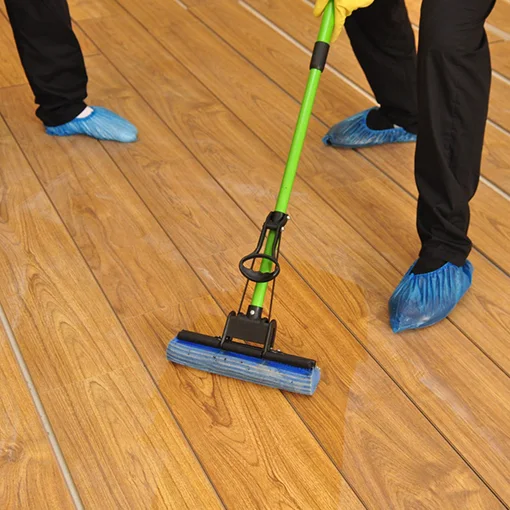
Hard floor cleaning should follow the floor material and finish. Go Cleaners Guildford discusses dirt, product residue and the area you want treated before agreeing the visit. Share care instructions and point out worn patches, so scratches or damaged coatings are not mistaken for surface grime that cleaning can remove.
Match the cleaning plan to the floor material and finish.
Identify residue, wear and damage before deciding on treatment.
Arrange a clear working area and time for drying.
Go Cleaners Guildford✦
AGREE THE WORK BEFORE BOOKING
What your hard floor cleaning visit can cover
Identify each floor material, its finish and the approximate area. Explain ordinary dirt, sticky residue and damaged patches separately. Suitable cleaning is distinct from sanding, sealing or repairs; the proposal should describe the actual care rather than imply every floor will be restored.
Tile and grout areas
Tiled kitchens, bathrooms and hallways can collect dirt along joints and edges as well as the main surface. Describe the tiles, grout condition and any heavy residue. Cracked tiles, damaged grout and discolouration within materials are different issues from removable dirt. Cleaning should suit the surface and avoid treating every joint as safe for aggressive scrubbing or chemical treatment.
Wood and engineered wood
The finish on a wooden floor affects how it should be cleaned, so share the manufacturer’s or installer’s care information. Mention worn patches, gaps and areas that have previously been treated. A cleaning visit should not be described as sanding or refinishing. Excess moisture and unsuitable products can be a concern, making material-specific care more important than a generic wet-floor routine.
Laminate and resilient flooring
Laminate, vinyl and other manufactured surfaces have their own care requirements. Tell us the product type if known and point out vulnerable seams, lifting edges or existing damage. The plan needs to avoid treating them as interchangeable with stone or ceramic tile. Ordinary cleaning does not repair delamination, flatten loose edges or remove permanent changes inside the flooring material.
Stone and unfamiliar finishes
Natural stone and other sensitive floors should be identified before cleaning, particularly where a coating or sealer may be present. Share care instructions and previous treatment details if available. Etching, worn finishes and embedded staining may need specialist advice beyond ordinary cleaning. If the material is uncertain, assessment is preferable to guessing with a stronger product or a more abrasive method.
CHOOSING THE RIGHT SERVICE
Find out what the floor is before treating the mark
Appearance alone can be misleading: a wood-effect surface may be laminate, vinyl or tile, while similar-looking stone can have different care needs. Check records from installation or ask whoever supplied the floor if possible. Share that information during your enquiry. The aim is to choose suitable cleaning for the actual finish, not the material it resembles in a photograph.
Then describe the issue. Mud near the door, sticky residue from repeated products and a scratch through the finish are different problems. Tell us what has already been used and whether the mark changed. Repeated attempts with stronger cleaners can make assessment harder. If the floor is damaged, seek the relevant flooring advice rather than expecting a clean to restore its original condition.
Cleaning and restoration have different purposes
Cleaning addresses suitable dirt and residue on the surface. Restoration may involve sanding, refinishing, sealing or another material-specific process. Those are different services with their own preparation and risks. A brighter appearance after cleaning does not mean an old coating has been renewed. Describe any finish damage when enquiring; cleaning cannot repair it, and restoration may need a separate specialist.
Similarly, grout colour can be affected by staining or deterioration rather than loose dirt alone. Stone etching and wear in wood finishes do not simply wipe off. Set expectations around the floor’s condition and identify any area requiring another specialist. Protecting the material is more useful than forcing an apparent result by using treatment that the finish cannot tolerate.
Clear floor space and plan the route through your home
Remove loose items, rugs and small movable objects where agreed, and put valuables somewhere secure. Discuss large furniture instead of assuming it can all be moved during the visit. The clearer the working area, the more of the appointment can be spent on the floor itself. Tell us if only the accessible sections around fixed furniture are to be included.
Plan where people and pets will stay while the work is under way. A hallway or kitchen may be a busy route, so avoid expecting unrestricted use during cleaning and drying. Explain parking, access and any essential utilities needed for the agreed work. If other trades are scheduled, arrange the floor clean after dusty building work where practical.
THE DETAILS OF YOUR VISIT
Give the quotation material and condition details
Include the approximate floor area, room layout, material and finish. Mention product build-up, ingrained dirt and worn patches separately. Several small furnished rooms can take a different amount of work from one clear area with the same total floor space.
Share your Guildford postcode and the times when the area can be kept clear. Ask what the proposed cleaning includes, which marks are uncertain and whether any separate specialist work is recommended. Do not compare quotations only by room count if they describe different treatments. A clear proposal should let you understand the surface care and the realistic limits of the appointment.
Allow the agreed drying time before replacing rugs and returning furniture. For wooden floors, follow the finish-specific care guidance; routine removal of loose grit and a suitable recommended product are sensible starting points. Avoid leaving spills to sit and do not assume a steam appliance or a soaking mop is suitable simply because the surface is described as hard flooring.
Keep entrance dirt under control and check that furniture protection is suitable for the floor. If residue returns quickly, review the products being used rather than adding more layers. For ordinary upkeep, regular cleaning can incorporate the agreed floor care. If persistent marks remain, revisit whether they are surface dirt or damage requiring another service.
HOW TO ARRANGE YOUR VISIT
Book with a clear plan
Describe the job
Call with your Guildford postcode, the rooms or items involved and the condition you want addressed. Mention access and your preferred date.
Confirm what is included
Discuss the tasks, any separate treatments and the quotation. Confirm availability, equipment arrangements and anything you need to prepare before agreeing the visit.
Prepare the work area
Follow the preparation advice for this service, arrange access and keep delicate belongings clear. Let the team know if conditions change before the appointment.
YOUR QUESTIONS ANSWERED
Hard Floor Cleaning: useful questions
Can you clean every type of hard floor in the same way?+
No. Tiles, wood, laminate and stone need material- and finish-specific care. Share manufacturer guidance and say when you are unsure. Assessment is preferable to using a generic strong treatment on an unfamiliar floor.
Will cleaning remove scratches?+
Scratches are damage, not ordinary dirt. Cleaning the surrounding surface does not repair them. Point out worn patches and lifting edges so any restoration or repair need is separate from the cleaning quote.
Does this include sanding or sealing?+
Sanding, sealing and refinishing are separate processes. Explain if you want a coating renewed so the right advice can be discussed. Do not assume a cleaning appointment includes changing or repairing the finish.
Should I empty the room first?+
Clear loose items and discuss large furniture beforehand. Heavy pieces may remain in place. Plan a route for people and pets so the agreed floor area stays accessible during cleaning and drying.
How do I request hard floor cleaning in Guildford?+
Send postcode, approximate area, material, finish and condition, with care guidance and previous product details. See hard-floor rates in the price guide, then confirm the applicable treatment and quote.
A DIFFERENT JOB TO ARRANGE?
Related cleaning services
Some jobs need a separate service. These pages explain the differences so you can ask for the right work when you call.
Call with your full postcode to check coverage and appointment availability. Mention parking, keys, entry codes or a shared entrance when discussing the visit. You can also enquire about nearby Surrey locations; availability is confirmed for your address.