Regular visits keep everyday dirt under control, but they do not always leave time for awkward corners, detailed fittings or a long-standing backlog. Commercial deep cleaning gives those jobs their own appointment. Go Cleaners Guildford can discuss a focused clean for your business premises, with priorities agreed around the surfaces involved and the time your rooms can be taken out of use.
What to include in your commercial deep cleaning brief
A deep clean should answer a specific problem. Perhaps a workplace is reopening, a busy season has left rooms looking tired or a regular routine has missed areas around fittings. Describe those issues when you enquire. A list of the worst areas, supported by photographs, is more helpful than the word “deep” on its own, because different premises need different work.
Entrances and heavily used rooms
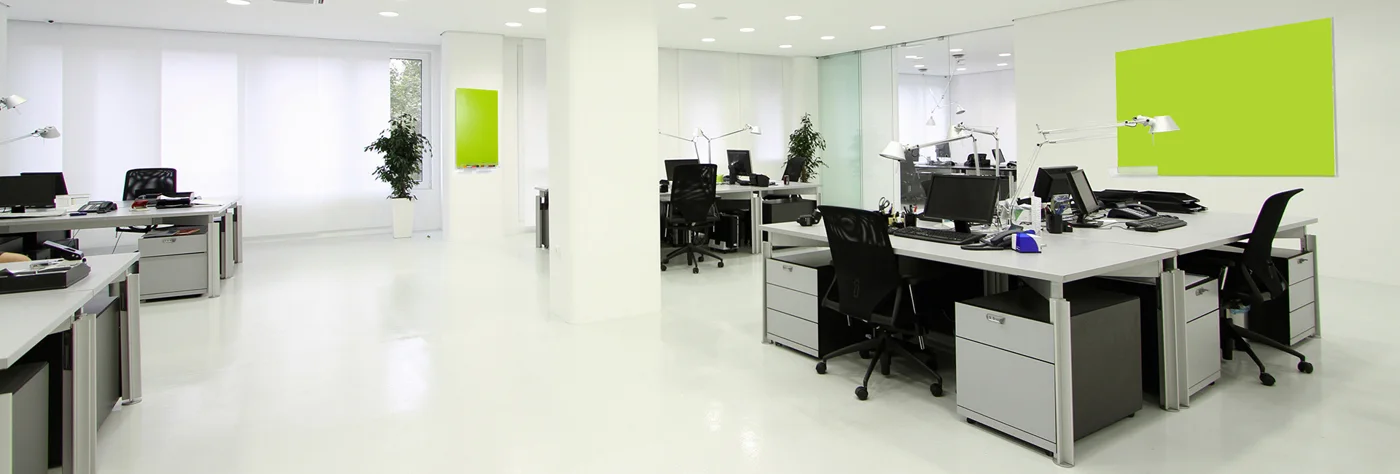
Reception floors, waiting areas and meeting rooms can accumulate dirt where daily attention is limited. Identify edges, accessible furniture surfaces and other areas you want treated. Include the floor finish and current condition. Cleaning can remove soiling, but faded paint, worn flooring and damage need separate maintenance. Knowing that distinction helps you set a useful priority list before requesting a quote.
Kitchens and staff facilities
Tea points and staff kitchens may need closer attention around taps, cupboard fronts and accessible appliance surfaces. Decide whether any interiors are included and arrange for food and belongings to be removed. A business kitchen used for food production is a different setting from an office break room; explain its use so requirements can be assessed instead of assumed from the room name.
Washrooms and detail work
List cubicles, sinks, taps, splashbacks and surrounding accessible fittings. Build-up around awkward areas may need more time than a normal visit allows. Tell us about delicate materials, damaged sealant or fittings that leak. Cleaning does not resolve a plumbing fault or replace deteriorated finishes. Specialist contamination and clinical environments also need a separate assessment rather than an ordinary washroom cleaning brief.
Additional surface treatments
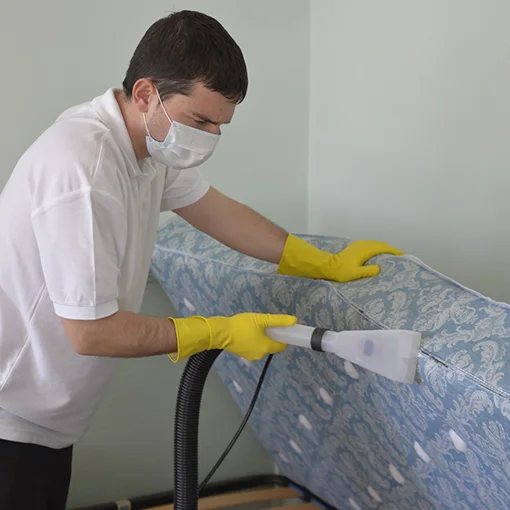
Carpets, upholstered seating and glazing may need distinct methods and extra time. Ask for each item to be quoted explicitly rather than assuming all are covered by a deep clean. Commercial upholstery cleaning is particularly worth discussing when waiting-room seats or office chairs are the main concern. Drying and reopening arrangements should be considered alongside any wet treatment.
CHOOSING THE RIGHT SERVICE
A separate visit for accumulated dirt
A detailed one-off visit can address a backlog before reopening, after a busy period or before regular maintenance restarts. Identify the rooms and neglected areas that matter most, such as fitting edges, washroom build-up or a heavily used staff kitchen.
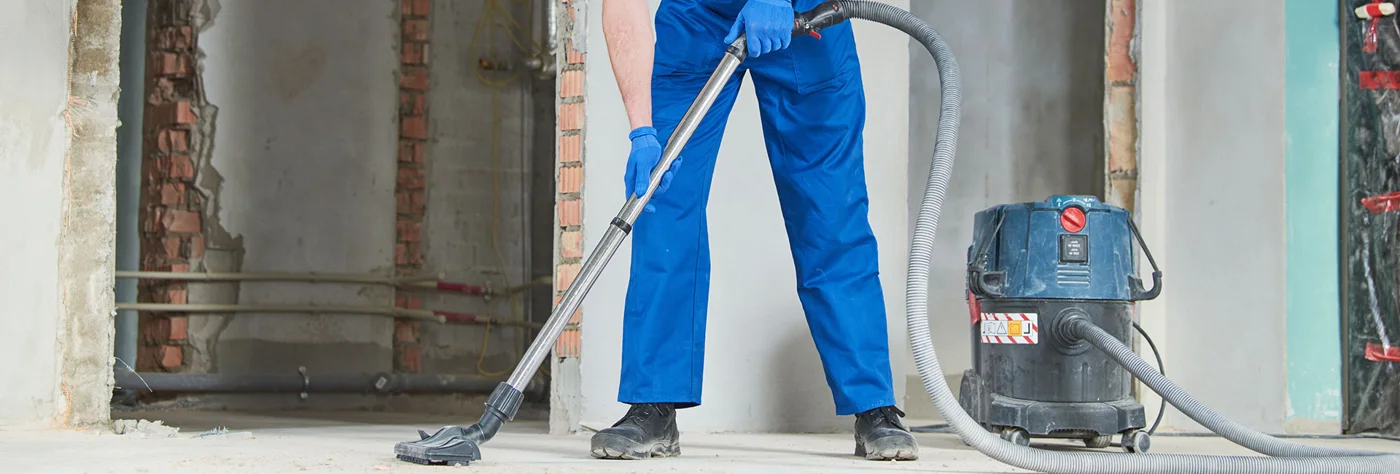
If recent construction is the source of dust, request cleaning after refurbishment instead. Deep cleaning is not automatically a restoration or specialist disinfection programme. Disclose unusual residues and suspected hazardous materials before an ordinary premises appointment.
What can be reached
Cupboards full of files, stocked shelving and heavy equipment restrict access. Decide who clears them and identify items staying in place. Share care instructions for stone, timber and coated finishes, with any existing damage made clear beforehand.
Some stains may remain, particularly where the material or finish is damaged. Photos help show the difficult areas; access may need checking before the work can be confirmed. Carpet and upholstery treatment should be requested separately rather than assumed included in the detailed surface clean.
A workable closure window
State which rooms can close and which must remain usable. Staging may keep essential routes open, but customers, staff and deliveries need a plan where they would otherwise enter the working area. Allow any relevant drying time before reopening.
Arrange entry, parking and utilities, with a contact available for questions. Clear confidential papers and loose belongings from the work areas. Check doors and room access in advance so a locked space or blocked route does not prevent the agreed work.
THE DETAILS OF YOUR VISIT
Price the priorities
Send the area, room list, materials and current condition, with photos of demanding spots. Furnished rooms need a different access plan from empty ones. Name any carpet, upholstery or glass treatment so it can be priced distinctly.
If downtime or budget is limited, put the most useful tasks first. Refer to the listed cleaning prices, then ask for a deep-clean quotation for your premises. An ongoing contract remains a separate choice from this one-off visit.
Check the completed work against the agreed list with the person responsible for reopening. Follow the guidance for surfaces still drying. Record damaged fittings and maintenance problems separately; additional cleaning will not repair a leak or worn finish.
A regular routine helps prevent the same backlog returning. Keep food waste under control and surfaces clear between visits. Everyday commercial cleaning can then concentrate on repeated tasks, while less frequent detailed work stays visible as a separate requirement.
HOW TO ARRANGE YOUR VISIT
Book with a clear plan
Describe the job
Call with your Guildford postcode, the rooms or items involved and the condition you want addressed. Mention access and your preferred date.
Confirm what is included
Discuss the tasks, any separate treatments and the quotation. Confirm availability, equipment arrangements and anything you need to prepare before agreeing the visit.
Prepare the work area
Follow the preparation advice for this service, arrange access and keep delicate belongings clear. Let the team know if conditions change before the appointment.
YOUR QUESTIONS ANSWERED
Commercial Deep Cleaning: useful questions
What is different from regular commercial cleaning?+
A regular routine addresses repeated everyday tasks. A deep clean allows a separate scope for accumulated dirt and detailed areas that need more time or access. The exact inclusions still need to be written down. Carpet treatment, appliance interiors, high-level areas and other specialist jobs are not automatically included simply because the appointment is called a deep clean.
Do we need to close the business?+
That depends on the layout, work requested and whether safe working areas can be kept separate from normal activity. Tell us your opening hours and which rooms must remain usable. A phased plan may be discussed, but it needs to fit the site. Any drying or temporary access restriction should be considered before choosing the appointment time.
Will a deep clean remove old stains?+
Some stains respond to cleaning and others are permanent. The surface, age of the mark, previous treatments and any underlying damage all matter. Send photographs and describe what caused the stain if you know. A realistic assessment is more useful than a blanket promise, particularly on worn flooring, upholstery or a finish that has already deteriorated.
Can this be booked after refurbishment?+
Tell us that construction has taken place rather than booking an ordinary deep clean by default. Fine dust, adhesive residues and newly installed finishes may require a different plan. Commercial after builders cleaning focuses on that situation. Trades should finish and agreed debris removal should take place before the final cleaning visit.
What should we clear before the clean?+
Clear paperwork, stock and personal items from the agreed work areas, and decide who moves furniture or equipment. Empty any cupboards or appliances whose interiors are included. Provide access instructions and surface care details. You do not need to guess the method; the useful preparation is making the agreed areas available and flagging anything fragile, damaged or restricted.
A DIFFERENT JOB TO ARRANGE?
Related cleaning services
Some jobs need a separate service. These pages explain the differences so you can ask for the right work when you call.
Call with your full postcode to check coverage and appointment availability. Mention parking, keys, entry codes or a shared entrance when discussing the visit. You can also enquire about nearby Surrey locations; availability is confirmed for your address.