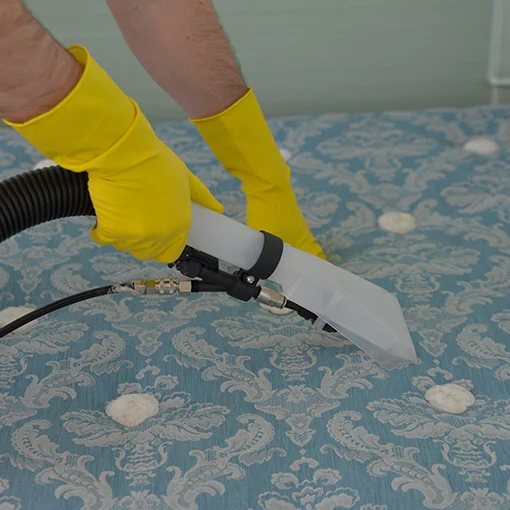
Hallways, stairs and the patch beside the sofa often look tired long before the rest of a carpet. Go Cleaners Guildford helps you plan a carpet clean around the rooms you actually use. Tell us about the fibres, any spills and the furniture, so the work can be assessed properly before an appointment is agreed.
Include room dimensions, stairs and landings, the main marks and furniture that will stay in place. An empty bedroom and a furnished family room need different access arrangements, even when their floor areas match.
Rooms and traffic lanes
Describe which rooms need attention and whether you want the whole accessible floor or just the exposed areas cleaned. Traffic lanes collect soil differently from the space beneath furniture. A visible dark strip may also include worn fibres, which cleaning cannot replace. We need to know where heavy furniture stays so the agreed coverage matches what can actually be reached.
Stairs and landings
Stair edges, risers and small landings can be awkward to reach with routine vacuuming. Count the steps and explain the layout, including turns or narrow sections. Mention loose carpet, damaged grippers or frayed edges before the visit. Cleaning is not a repair service, and an insecure stair covering needs attention from an appropriate fitter rather than extra moisture or vigorous working.
Spills and previous treatments
Tell us what was spilled, roughly when it happened and what has already been applied. Tea, paint, oily marks and pet accidents need different assessments. Some colour changes are permanent, and repeated home treatments can make diagnosis harder. A sensible stain plan starts with that history and a discreet test, rather than a promise that every mark will disappear.
Edges and furniture arrangements
Dark lines along skirting boards can be more stubborn than general room soil. Include them in your photographs instead of assuming they are covered by a standard pass. Discuss movable items, fitted furniture and access under beds when booking. Furniture handling, delicate pieces and inaccessible areas should be agreed in advance, so there is no uncertainty on the day.
CHOOSING THE RIGHT SERVICE
Wool, synthetic fibres and the backing underneath
Look for a receipt, fitting record or manufacturer label that identifies the carpet. Wool, mixed fibres and synthetic carpets do not always respond to the same treatment. The backing, adhesive and condition also matter. If you cannot identify the material, say so; the right next step is assessment, not guessing from its colour or price.
A carpet that has faded beside a sunny window or flattened under a desk may remain uneven after cleaning. Soil removal and fibre restoration are different things. Share your main concern clearly, whether it is a spill, general dullness or a persistent smell, so the likely improvement and any limits can be discussed honestly.
Choosing a method without over-wetting the floor
There is no single cleaning method that suits every carpet in every home. Moisture tolerance, backing stability, dye behaviour and access all influence the decision. Ask what method is proposed for your carpet and why. Testing an inconspicuous area is especially relevant where colours are strong, the material is unknown or previous treatment has left a residue.
Drying depends on the carpet, the amount of moisture involved and conditions in the room. Avoid planning a clean immediately before guests arrive or furniture must be moved back. Ask for instructions specific to the chosen method. A freshly cleaned carpet should not be covered with rugs or loaded with damp-sensitive furniture before it is ready.
Preparing rooms while keeping heavy pieces safe
Remove small belongings from the floor, including shoes, toys and fragile ornaments near working areas. Explain whether a bed, sofa or cabinet can be moved safely. Do not drag heavy furniture across carpet yourself simply to make the room look empty. Agree practical boundaries beforehand, particularly in flats where the room has little spare space for moving items.
Let us know about entry steps, parking restrictions and the floor level. Keep children and pets away from the working area while cleaning takes place. If the carpet has lifted, the floor underneath has water damage or there is an active leak, mention that first. Those issues need their own solution before a routine carpet appointment.
THE DETAILS OF YOUR VISIT
Getting a quote that reflects your actual rooms
Send your postcode, approximate room dimensions and photographs of the overall carpet and stains. Explain the fibre where known, previous treatments, stairs, parking and furniture arrangements. Check the carpet cleaning rates and minimum charges before confirming the quote.
A loose rug needs its own material and handling assessment; include it under rug cleaning. To request a carpet quote, share those details or call 01483 319 912. Confirm rooms, furniture handling and drying advice before booking.
Regular vacuuming and an entrance mat help limit the soil carried into carpeted rooms. Follow the carpet maker’s care guidance, especially for loop piles or delicate fibres. Deal with a fresh spill promptly by blotting rather than rubbing, and avoid adding several household products in succession. Keep a note of anything applied if a stain later needs professional attention.
Wait for the agreed drying stage before returning furniture or allowing normal traffic. Ventilation can help when appropriate, but follow the advice given for the room and method. If an old mark reappears, report it with a photograph and the original spill history. Further assessment is more useful than repeatedly soaking the same patch yourself.
HOW TO ARRANGE YOUR VISIT
Book with a clear plan
Describe the job
List the carpeted rooms, stairs and approximate sizes. Photograph labels or installation information where available, and explain stains, past treatments and any areas that stay damp.
Confirm what is included
Agree suitable treatment, furniture boundaries and included areas. Ask about drying and re-entry advice rather than expecting every fibre or long-standing mark to respond in the same way.
Prepare the work area
Pick up small items and secure cables from the agreed floor areas. Plan where people and pets can walk afterwards, following the treatment-specific drying advice provided.
YOUR QUESTIONS ANSWERED
Carpet Cleaning: useful questions
Can all carpet stains be removed?+
Some spills change the fibre colour or damage the pile permanently. Identify the spill, its age and previous products used. Assessment and testing help establish likely improvement; complete removal cannot be promised for every mark.
Do I need to empty every room?+
Clear small items and agree which larger furniture stays in place. An occupied room can be planned differently from an empty one. Do not move heavy or fragile pieces yourself unless handling is safe.
How long will the carpet take to dry?+
Fibre, backing, method and room conditions affect drying. Ask for guidance specific to your carpet and leave flexibility in your plans. Avoid rugs and vulnerable furniture on treated areas until they are sufficiently dry.
Can you clean carpets in a rented property?+
Share any relevant checkout requirements and confirm carpets separately from general end of tenancy work. List rooms, stairs and stains. A clean cannot determine the landlord’s deposit decision or reverse existing damage.
Is a lingering pet smell always treatable?+
Odour can come from the pile, backing, underlay or floor. Explain the accident history and previous treatments. A surface clean may not address contamination below the carpet, which needs assessment before a suitable plan is agreed.
A DIFFERENT JOB TO ARRANGE?
Related cleaning services
Carpet treatment is separate from a general property clean. Rugs and upholstery also need their own material checks, particularly when you are preparing a furnished home for handover.
For a Guildford carpet-cleaning visit, explain stair access, parking distance and which rooms must remain usable. Include hallways and landings in the measurements rather than leaving them out of the enquiry.
Describe the carpet fibres if known and the marks you want assessed. Room sizes, furniture limits and drying needs help turn that enquiry into a clear cleaning plan.