Returning business premises takes more planning than packing the desks. Once stock, furniture and files are removed, floors and fittings often show dirt that was hidden during the tenancy. Go Cleaners Guildford can discuss commercial end of tenancy cleaning around your handover date, with a clear task list for the areas you occupy and the surfaces that will remain in the building.
What to include in your commercial end of tenancy cleaning brief
Begin with the premises you are responsible for and the cleaning requests raised by your landlord or managing agent. A lease handover may involve repairs and other work as well as cleaning. Separate those items, then identify rooms, floors, washrooms and fittings that need attention. The cleaner needs a usable brief, while you remain responsible for agreeing the handover with the other parties.
Vacated work and trading areas
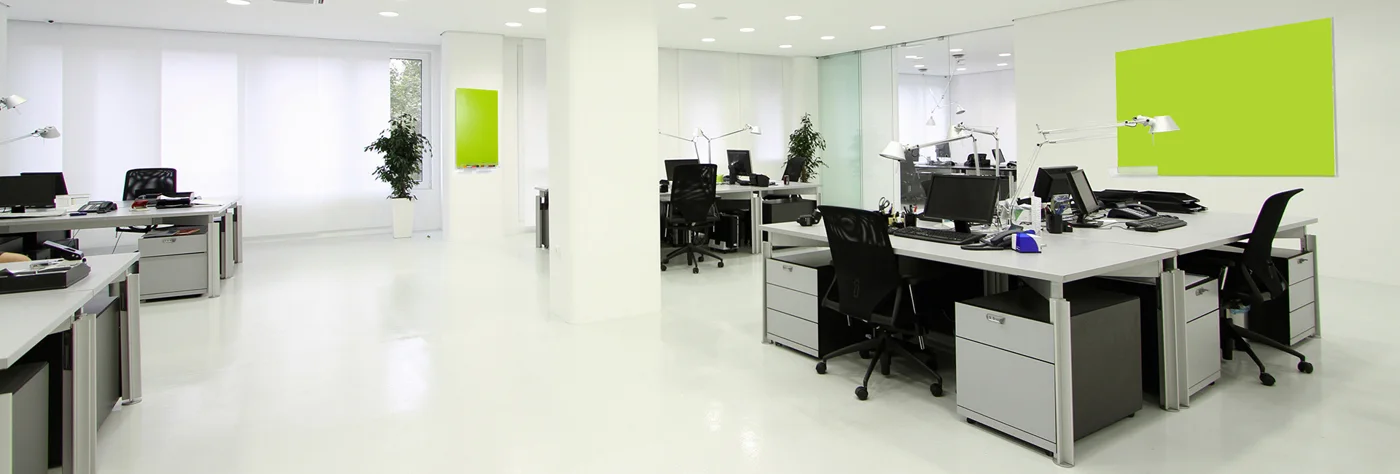
Rooms often become easier to clean after furniture and stock have gone. List floor areas, accessible surfaces, skirting boards and internal glass that need attention. Former desk positions may show traffic marks or wear. Cleaning can address dirt, but it does not replace damaged flooring or restore a worn finish. Any items remaining in the unit should be identified before the appointment.
Staff kitchens and break rooms
Specify worktops, sinks, cupboard fronts and any appliance interiors included in the requested clean. Empty cupboards and remove food before the visit unless another arrangement is made. A kitchen used for commercial food preparation is not the same as an office tea point; describe its use and condition. Repairing equipment, removing fixtures and dealing with specialist grease systems require separate consideration.
Washrooms and utility spaces
Include the number of toilets, shower rooms and utility areas. Accessible fittings and surrounding surfaces can then be assessed against their condition. Tell us about scale build-up, damaged sealant or plumbing problems. Ordinary cleaning does not remedy a leak or refurbishment defect. If a specialist hygiene environment or unusual contamination is involved, explain that before requesting a general premises clean.
Separate carpet and glazing requirements
Carpet treatments and window cleaning may be worth pricing separately, particularly in a large unit. State the approximate areas, access and handover deadline. Commercial window cleaning requires a suitable access plan for the actual glazing. High-level windows, specialist floor treatments and removal of adhesive residues should never be assumed included simply because the booking concerns an end of tenancy.
CHOOSING THE RIGHT SERVICE
Turn the handover requirements into cleaning tasks
Use the landlord’s correspondence or agreed schedule to identify the areas requiring cleaning. Keep repairs, reinstatement and fitting removal separate. If an item is unclear, resolve the expected condition with the landlord or managing agent before asking someone to price the cleaning.
A cleaning appointment cannot guarantee deposit recovery or acceptance of a lease handover. Worn carpet, damage and layout changes may remain separate issues. Focus this brief on the vacated rooms and fittings that can be cleaned, with any lease questions handled through your existing adviser.
Clean after removals and dusty work
Arrange the main visit after stock and furniture removal where possible. Moving items exposes hidden dirt but can bring fresh marks through completed rooms. Ask whether decorators or other trades will return, and decide how their work fits the final cleaning window.
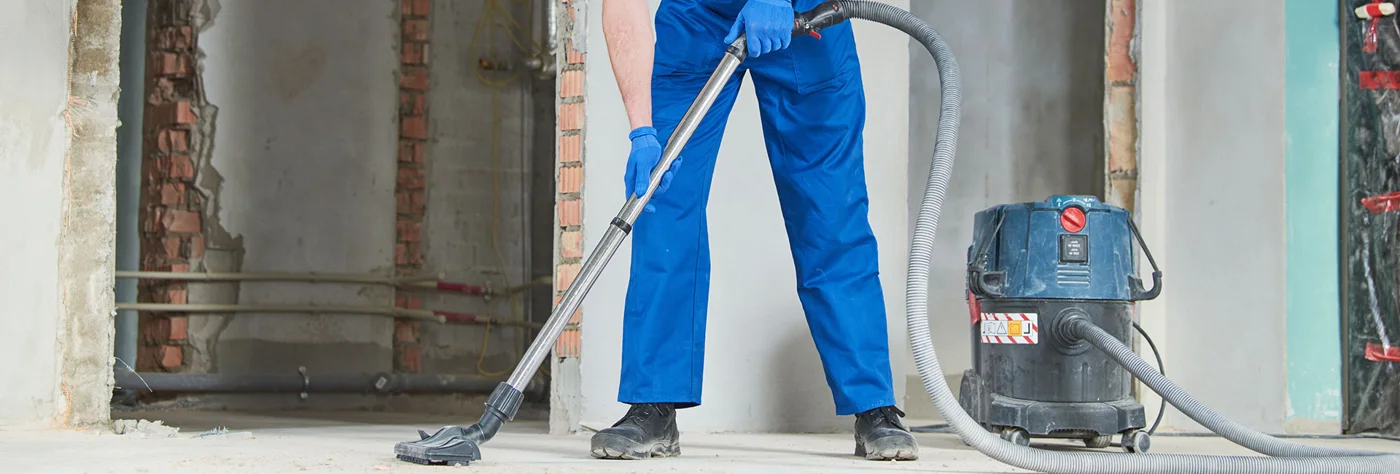
Identify fittings staying in the unit and arrange clearance separately. For refurbishment dust and residue, discuss a post-refurbishment clean. A premises departure is the reason for the visit; the actual soiling determines which cleaning scope is appropriate.
Keep entry authorised
Schedule while you still have permission to enter, or arrange a contact to open the premises after keys are returned. Confirm utilities, parking, loading and induction requirements. Service routes in larger buildings may need booking independently of the main door.
Remove or secure confidential records before the visit. Identify shared corridors and toilets you are responsible for, and confirm permission to arrange cleaning where needed. A named contact should remain available to decide what happens with unexpected objects or access issues.
THE DETAILS OF YOUR VISIT
Quote for the emptied unit
Send the area, rooms, washroom count, floor types and photographs after removals if possible. List remaining furniture and substantial build-up. Carpet, upholstery and glass treatment should be specified, with time before inspection for the work and relevant drying.
Check rooms against the agreed brief, keeping maintenance defects on their own list. Have the scope available if a landlord’s representative is inspecting. Cleaning does not replace the formal condition or key-handover record, and photographs do not determine the outcome of a lease dispute.
Avoid using the cleaned unit for further removal staging. Return keys, passes and alarm information through the existing handover arrangement. For extensive glazing, business window cleaning needs its own pane list and access plan before the final appointment.
HOW TO ARRANGE YOUR VISIT
Book with a clear plan
Describe the job
Call with your Guildford postcode, the rooms or items involved and the condition you want addressed. Mention access and your preferred date.
Confirm what is included
Discuss the tasks, any separate treatments and the quotation. Confirm availability, equipment arrangements and anything you need to prepare before agreeing the visit.
Prepare the work area
Follow the preparation advice for this service, arrange access and keep delicate belongings clear. Let the team know if conditions change before the appointment.
YOUR QUESTIONS ANSWERED
Commercial End of Tenancy Cleaning: useful questions
Does this guarantee acceptance by the landlord?+
No cleaning visit can determine the outcome of a lease handover or guarantee acceptance of every condition. The service should be assessed against the agreed cleaning scope. Repairs, reinstatement and damage may remain separate issues. Clarify requirements with the landlord or managing agent and use that information to build a specific list of cleaning tasks.
Should all furniture and stock be removed first?+
Removing items first generally improves access and reduces the chance of fresh dirt arriving after cleaning. Identify anything that must remain and decide who will move it if necessary. Clearance of stock, furniture and trade debris should be arranged separately. If removals and cleaning overlap, the work areas and timing need a clear plan.
Are communal corridors and toilets included?+
They are included only if they form part of the agreed brief and you have authority to arrange the work. Check your building’s existing arrangements with the landlord or managing agent. Shared areas may already be covered by another contract. List your responsibility clearly so the quote and appointment do not rely on assumptions about the whole building.
Can you remove floor damage or adhesive marks?+
Dirt, residue and damage are different problems. Describe the material and marks, with photos and any information about their cause. Some residue may be treatable, while scratches, worn finishes and other damage require repair or replacement. Adhesive removal should be assessed as a specific task; it is not automatically part of every tenancy cleaning appointment.
How much time should we allow before inspection?+
The time depends on premises size, condition, task list and any treatments that need drying. Discuss the inspection deadline when requesting a quote rather than choosing a slot that leaves no margin. Arrange removals and repairs first where possible, keep access authorised and allow an opportunity to check the agreed cleaning before returning the keys.
A DIFFERENT JOB TO ARRANGE?
Related cleaning services
Some jobs need a separate service. These pages explain the differences so you can ask for the right work when you call.
Call with your full postcode to check coverage and appointment availability. Mention parking, keys, entry codes or a shared entrance when discussing the visit. You can also enquire about nearby Surrey locations; availability is confirmed for your address.