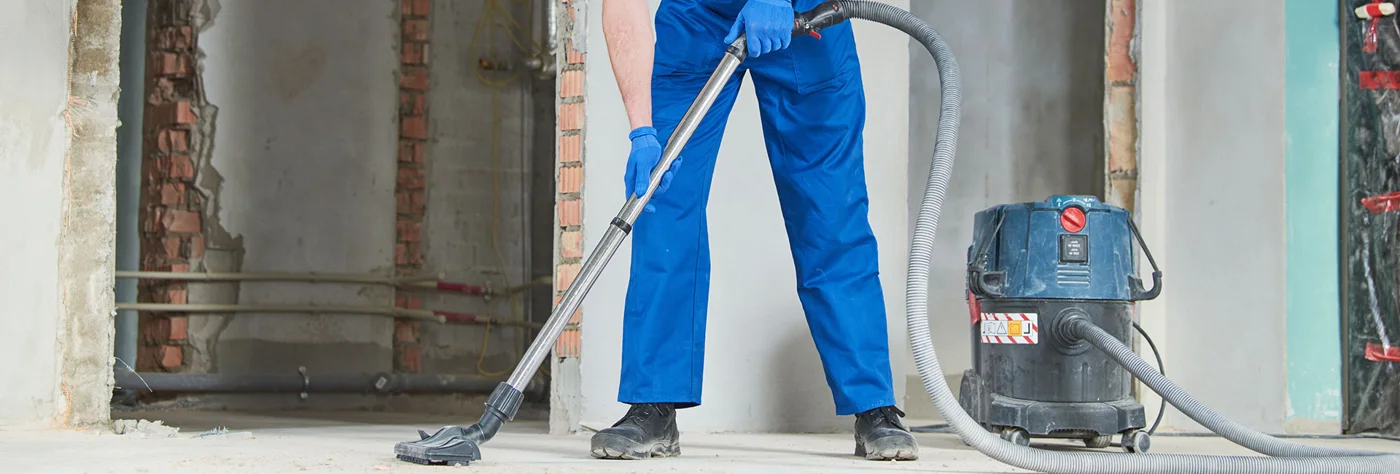
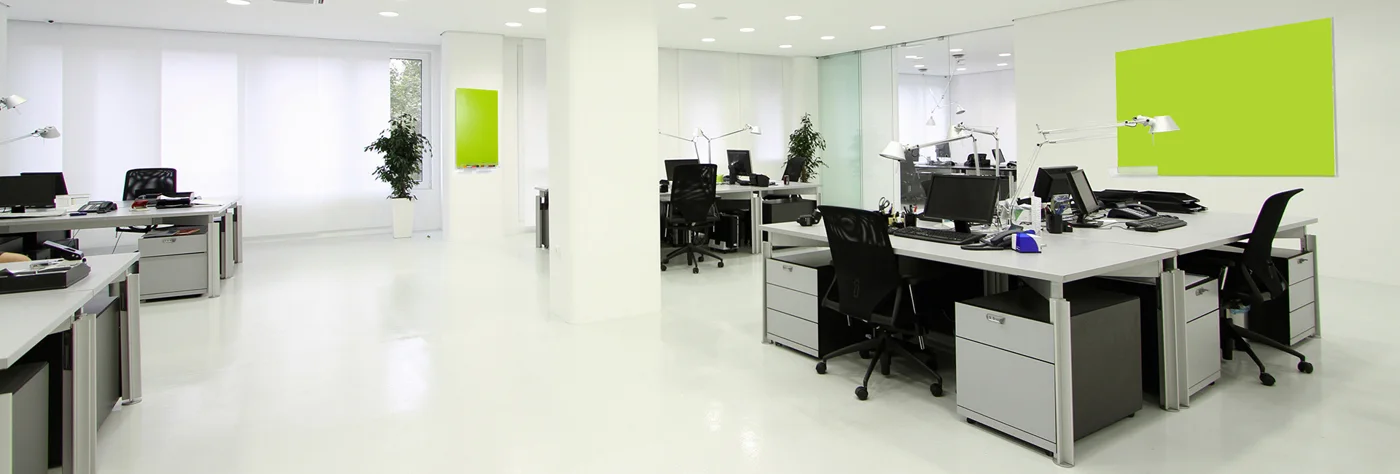
When a refurbishment ends, the premises may still be covered in dust even after the contractors take their tools away. Commercial after builders cleaning focuses on preparing the agreed business areas for use after that work. Go Cleaners Guildford can discuss the rooms, newly installed finishes and remaining residues, with cleaning scheduled around completed trades and your planned reopening.
What to include in your commercial after builders cleaning brief
Explain what work has taken place, which areas were affected and whether any trades are still returning. Photographs of the floors, glazing and fittings can help show the remaining condition. New materials may have specific care instructions, while some residue needs a separate assessment. A final cleaning visit works best after debris removal and repairs, when the agreed rooms are accessible.
Dust on accessible surfaces
Fine dust can settle on shelving, skirting boards, ledges and fittings well beyond the work area. List accessible surfaces and identify anything that has already been stocked or occupied. High-level areas need their own access discussion. The cleaning plan should distinguish ordinary post-work dust from suspected hazardous material; asbestos, specialist industrial residue and similar hazards are outside a normal builders-clean brief.
New and existing floors
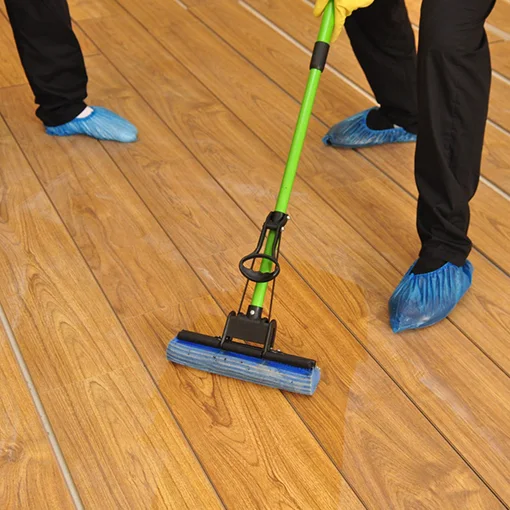
A new floor may need different care from the old flooring beside it. Share manufacturer instructions and tell us about sealants, coatings or curing requirements. Identify traffic marks, dust and visible residue, with photos if possible. Cleaning does not repair scratched tiles, damaged timber or an installation fault. Any protective coverings should be removed by the agreed responsible party at a suitable stage.
Glazing and fitted details
Dust and fingerprints on internal glass can be listed alongside accessible doors and fittings. Paint, adhesive and cement residue should be described separately rather than treated as ordinary dirt. The glass type, coating and condition matter when deciding what can be attempted. External or high-level windows need an appropriate access plan and should be expressly included in the quotation if required.
Staff facilities after the work
Kitchens and washrooms can collect dust even where the refurbishment happened elsewhere. Include each room and explain whether fittings are newly installed or existing. Cupboard and appliance interiors need an explicit scope and should be empty where relevant. A new installation fault, leak or damaged sealant remains a matter for the contractor or owner; cleaning should not conceal an unresolved building problem.
CHOOSING THE RIGHT SERVICE
Time the final clean after dusty trades
Confirm that drilling, sanding and decorating have finished and contractor waste has been cleared. Cleaning before those jobs end can leave completed rooms dusty again. Explain your reopening deadline and whether other contractors still need to cross the affected areas.
Where a business reopens in phases, identify which rooms are complete and separated from ongoing work. For accumulated everyday dirt without construction residue, commercial deep cleaning is a different brief. Describe the source of the soiling when enquiring.
Identify residue and new finishes
Dust, adhesive, paint and cement-based deposits need different consideration. Describe the products used if known and share care information from installers. New floor coatings, grout and sealants may have curing restrictions; check readiness before scheduling treatment.
Scraping can damage some glazing and finishes, so residue removal must be assessed separately. Scratches and faulty fittings belong on the snagging list. Suspected hazardous dust needs appropriate specialist attention before ordinary cleaning, rather than being treated as just another surface mark.
Clear the site for work
Arrange removal of rubble, offcuts, packaging and contractors’ equipment. Provide usable routes and the necessary utilities, with parking and entry details. Leave a project contact available for questions about finishes, incomplete work and restricted areas.
Protect stock, computers and confidential documents. If staff or trades remain present, identify areas that must stay separate and routes that need to remain open. Clear loose cables and building materials from those routes before the cleaning appointment.
THE DETAILS OF YOUR VISIT
Describe what remains for the quotation
Provide the floor area, room and washroom count, floor materials and photos after trade clearance. Include dust beyond the work zone and any glass or floor residue. State whether this was a small alteration or a wider refurbishment.
Use listed cleaning prices as a reference, then send the project details for a quotation. List dust removal, any agreed residue treatment, carpet cleaning and exterior glass as separate tasks. If only part of the building was altered, identify that area rather than requesting identical treatment everywhere.
Check the agreed surfaces, recording installation damage and unfinished work separately. Follow care and drying instructions before use. If contractors return for snagging, ask how they will protect the completed areas and control fresh dust.
Once the premises reopen, regular business cleaning can address everyday use. Keep the new material care information for that routine, particularly for floors and coated fittings. A finished refurbishment may change the cleaning needs or access compared with the previous layout.
HOW TO ARRANGE YOUR VISIT
Book with a clear plan
Describe the job
Call with your Guildford postcode, the rooms or items involved and the condition you want addressed. Mention access and your preferred date.
Confirm what is included
Discuss the tasks, any separate treatments and the quotation. Confirm availability, equipment arrangements and anything you need to prepare before agreeing the visit.
Prepare the work area
Follow the preparation advice for this service, arrange access and keep delicate belongings clear. Let the team know if conditions change before the appointment.
YOUR QUESTIONS ANSWERED
Commercial After Builders Cleaning: useful questions
Do builders need to finish before cleaning starts?+
A final clean is most useful after dusty work and trade clearance are complete. If work is continuing elsewhere, explain the separation and reopening plan so a phased scope can be considered. Cleaning too early can lead to fresh dust settling on finished rooms. The project contact should confirm which areas are ready and which still require contractor access.
Is rubble and construction waste removal included?+
Do not assume it is part of the cleaning appointment. Arrange removal of rubble, offcuts, packaging and contractors’ equipment with the responsible party, unless another arrangement is expressly agreed. Hazardous waste and suspected asbestos are outside a normal builders-clean brief. The cleaning team needs accessible rooms and usable routes to carry out the agreed surface work.
Can paint or adhesive be removed from glass?+
Describe the residue, glass and any coating, and send photographs if available. Removal needs a material-specific assessment; scraping can damage some surfaces. Do not assume every mark can be removed or that residue treatment is included automatically. Existing scratches and construction damage should be recorded separately, because cleaning cannot restore a physically damaged pane or finish.
What if new flooring has special care instructions?+
Share those instructions before booking and identify whether coatings, sealants or other finishes are still curing. The approach should suit the installed material rather than a generic floor-cleaning label. Ask the installer about restrictions where you are unsure. Cleaning should not conflict with the requirements for a new floor or be expected to correct an installation fault.
How should we schedule cleaning before reopening?+
Confirm trades and waste clearance first, then allow a usable cleaning window before staff, stock or customers arrive. Include any drying time associated with separately agreed treatments. Explain if reopening will happen in phases. The quotation and appointment should reflect the actual readiness of the site, with a named contact available for decisions during the work.
A DIFFERENT JOB TO ARRANGE?
Related cleaning services
Some jobs need a separate service. These pages explain the differences so you can ask for the right work when you call.
Call with your full postcode to check coverage and appointment availability. Mention parking, keys, entry codes or a shared entrance when discussing the visit. You can also enquire about nearby Surrey locations; availability is confirmed for your address.