
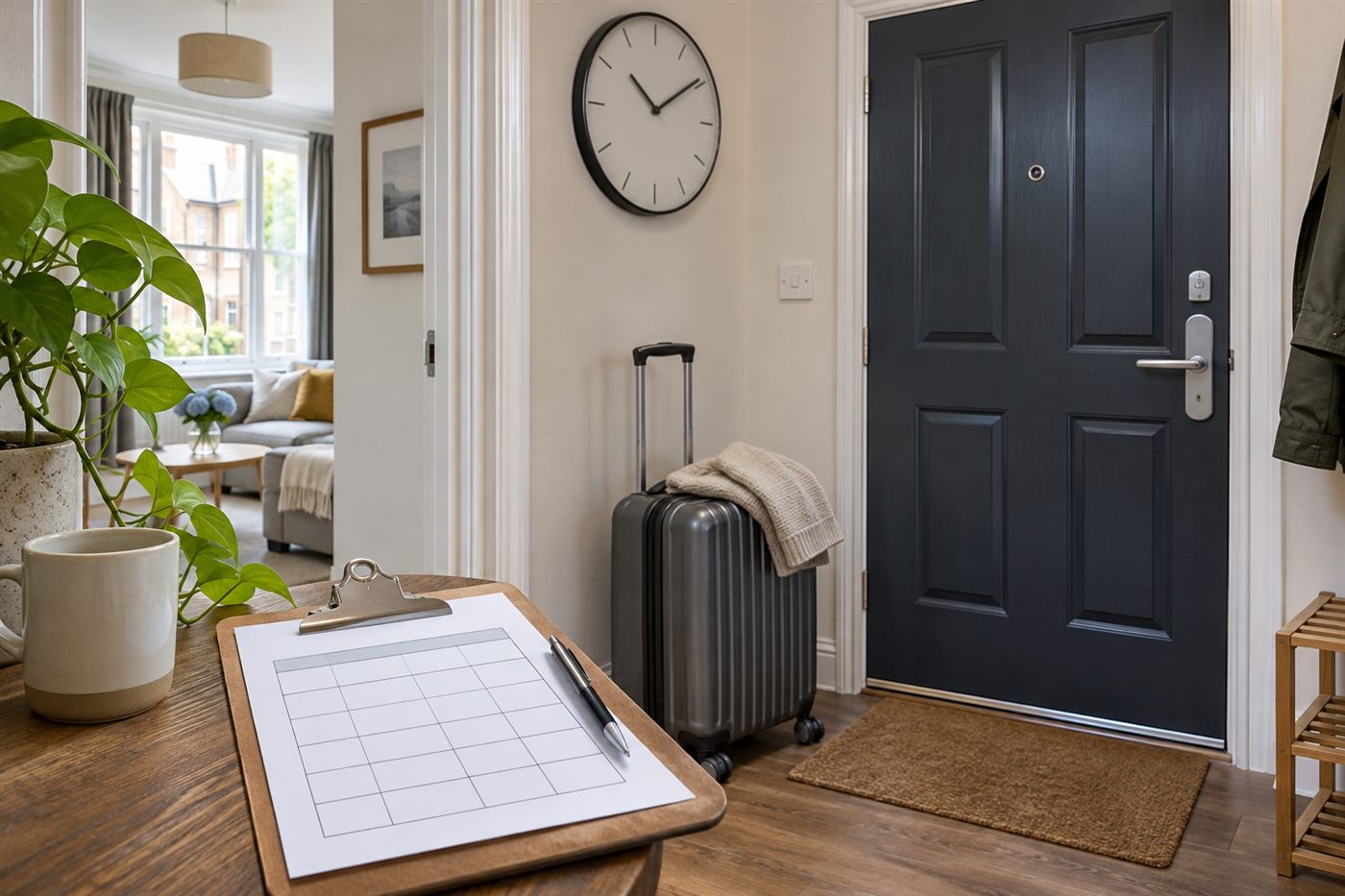
A short-let changeover becomes difficult when the normal plan stops working. A guest leaves late, clean linen fails to arrive or a fault appears just before check-in. The cleaner needs a route for reporting each problem, while the host needs to decide what happens to the booking. This checklist is for those exceptions: who records them, who makes the call and how the property is handed over honestly.
Set the decision route before the first changeover
Name one host or manager who can answer during the entire turnover window, plus a backup. Give the cleaner both contact methods and say when to use a call rather than a message. Agree who may authorise extra time, replacement supplies, a repair visit or a change to guest arrival. A cleaner should not promise an early check-in, spend money or hide a defect without the owner’s decision.
Use a simple exception record: time found, room or item, photograph where appropriate, action taken, person notified and decision received. Keep access codes and guest details out of an exposed paper checklist. A shared digital log may work if the team can use it on site and the host checks it promptly. Record facts rather than blame.
Late checkout or no access
Compare the actual departure with the next guest’s arrival and the minimum time needed for cleaning and drying. Airbnb says late checkout is subject to host agreement and may affect cleaning arrangements. If the property is still occupied at the agreed start, do not enter or begin removing belongings. Contact the host, record the time and ask for a revised access confirmation. Do not make a private arrangement with the departing guest that the host has not approved.
Once access is confirmed, the host should choose between a later guest arrival, additional help if available or a reduced task scope that can be disclosed honestly. The cleaner can report what is feasible, but cannot manufacture lost time. Record the revised plan and who told the incoming guest. If a lockbox code fails or a key is missing, treat that as an access exception, not permission to force entry or seek an unsafe alternative.
Missing, wet or damaged linen
Check linen at the start, before stripping every bed. Count clean sets by bed size, pillowcases, towels and any required mattress protectors. If stock is short, report the exact item and quantity. The host can arrange a spare, delivery or approved purchase. Do not substitute a stained set, present damp linen as ready or leave a bed partly made without informing the decision maker.
Separate ordinary used linen from items with heavy staining or damage and record the difference. The cleaner can place used items in the agreed collection point, but the host decides whether replacement, specialist laundering or a claim is appropriate. Keep photographs focused on the item, without guests’ private papers in the frame. If replacement will delay check-in, tell the host early enough to communicate a realistic time.

Faults that affect guest readiness
Look for faults while following the normal room route: a leaking tap, broken blind, failed light, damaged lock or appliance that will not work. Do not ask the cleaner to diagnose electrical or plumbing problems. Record the symptom, location and whether the area can be used. A water leak, unsafe socket or door that will not secure needs immediate escalation under the property’s emergency procedure.
The host should decide whether a qualified repairer is needed before arrival, whether a room must be taken out of use or whether the booking needs another arrangement. Cleaning a surface does not make a faulty fixture safe. Do not mask a leak with a towel or reset a tripping electrical device repeatedly. Photograph visible damage before moving anything needed for access, then follow the host’s instruction.

Unexpected soil or heavy cleaning
Some stays leave an oven, carpet or bathroom beyond the agreed changeover scope. Take photographs of the condition before treatment and describe the work likely to affect timing. Ask the host to choose a priority: an additional cleaner, a separate specialist appointment or a realistic revised handover. Do not promise that a deep stain or burnt residue can be removed in the remaining minutes.
Keep routine tasks moving where possible while awaiting a decision. A separate oven cleaning visit or deep clean may need a booking gap. The host decides how to communicate any limitation to the next guest. A factual record supports an assessment of the property’s condition.
Left belongings, rubbish and uncertain items
A cleaner may find clothing, documents, medicines or food after checkout. Set a host policy for lost property and disposal before this happens. Keep uncertain belongings in the agreed safe location and alert the host; do not decide ownership from appearance. Do not photograph identity documents, payment cards or private notes for a general cleaning log. Record the location and ask the host how to handle sensitive items.
Escalate in order of effect
Agree a simple priority order. First report immediate safety or access problems; next, anything that prevents a clean bed, working bathroom or secure arrival; then appearance issues and stock shortages. Send an update that states the remaining time and the choice required. “Two clean king pillowcases missing; replacement needed before the 4 pm arrival” is more useful than “linen problem”.
If the named contact does not answer, call the backup after the agreed interval. Record the attempts and continue only with authorised work that is safe. Do not quietly downgrade the standard or invent a remedy. When the host responds, repeat the decision in the log so the next person can see what was agreed. An exception is closed when the action and guest communication are confirmed, not merely when the cleaner sends a photograph.
Complete a focused handover
At the end, give the host a brief readiness statement: areas finished, exceptions resolved, open faults, missing items and any area still drying. Note the actual completion time. The host makes the final decision about check-in and guest communication. If a repairer is arriving, record who will give access and who will check the result. A cleaner’s sign-off covers cleaning work, not a guarantee that every appliance or building system is fault free.
After a difficult turnover, review the cause. Repeated linen shortages need spare stock; late departures need a longer booking gap. Repair recurring faults. Airbnb recommends a turnover checklist, but an exception route makes it workable when plans change.
Brief the provider on exception handling
For short-let cleaning or holiday rental cleaning, provide checkout and arrival times, access rules, linen arrangements, approved contacts and the escalation order. Explain what the team may photograph and how decisions are documented. Ask for a clear boundary between routine changeover and additional work. The result is a usable process for delays, shortages and faults, with the host making booking decisions while the cleaner reports the property’s condition accurately.