
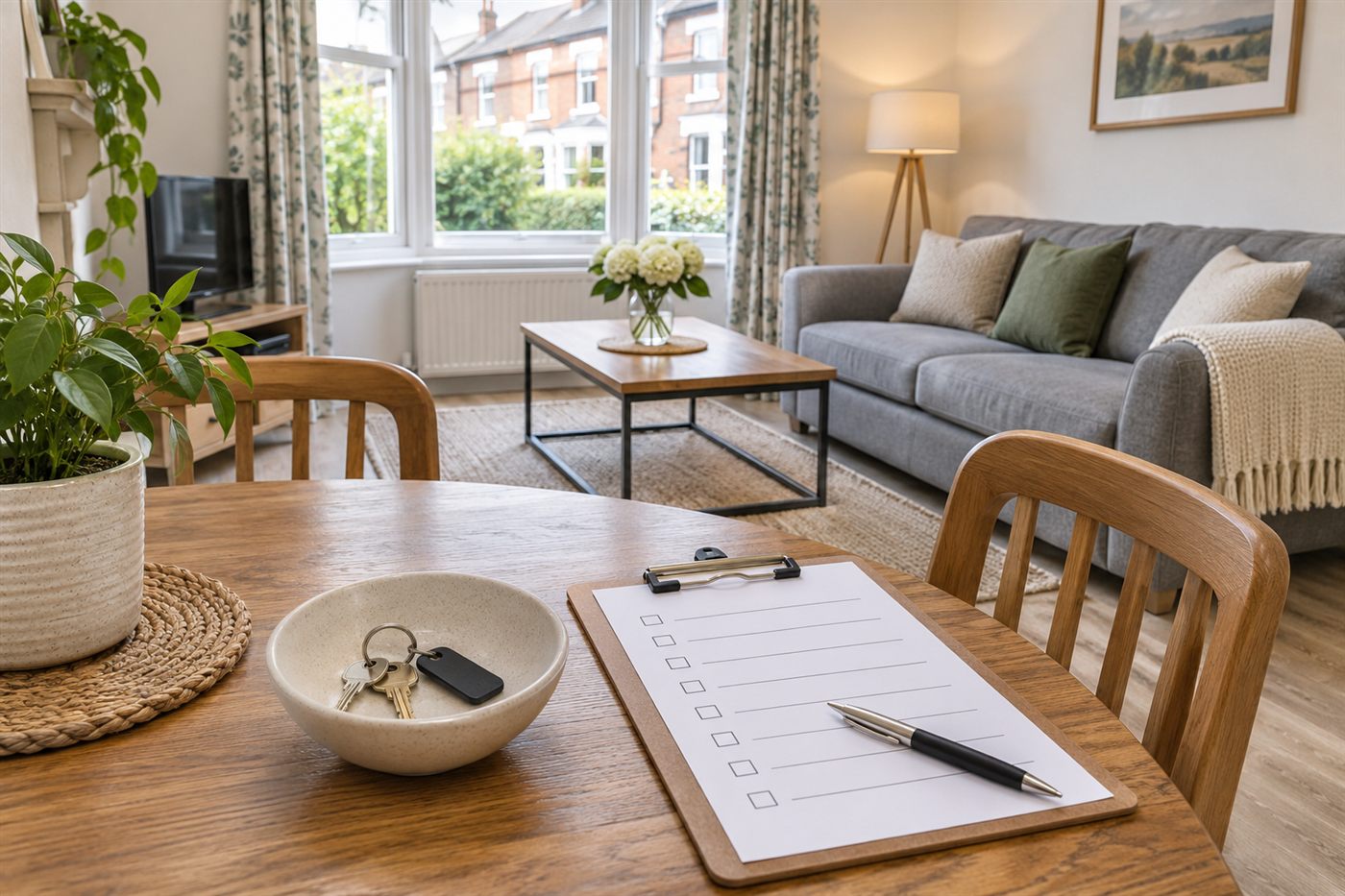
A short-let room handover checklist should answer one question: is each space clean, equipped and ready for the next guest? It is the final inspection after routine turnover work, not a plan for late checkout, missing deliveries or repairs. Use observable checks tied to the property’s listing and room layout. The host or appointed checker can then sign off the space before the agreed arrival time.
Set the standard from the listing
Walk through the published listing and note what a guest has been promised: sleeping spaces, dining seats, appliances, workspace and amenities. A checklist for a studio will differ from one for a family house. Airbnb advises hosts to create a turnover checklist and refresh every room before check-in. Translate that advice into checks for the actual property, rather than copying a generic list that mentions fixtures you do not have.
Put the room order on one page and leave space for a time, checker name and brief note. Use clear results such as ready, needs attention or unavailable. A tick should mean someone looked and confirmed the condition. Keep cleaning tasks separate from guest communication and maintenance decisions. If a fault is found, direct it to the host’s exception process instead of silently marking the room complete.
Entrance: first impression and access
Stand where the guest will enter. Check that the door and handle are clean, the mat is present and the floor has no visible debris or damp patch. Remove old leaflets and rubbish. Confirm that the agreed key or lockbox arrangement is ready through the host’s access procedure, without writing a code on an exposed checklist. Look for a clear route with no cleaning tools left in the hall.
Inspect mirrors, switches and accessible ledges for fingerprints and dust. If shoes or umbrellas are provided, check their storage spot. A final look from the doorway often catches a mark missed while working inside. Note a damaged lock or light as a fault; a cleaner should not attempt to repair it during the room check.
Living area: surfaces and guest use
Look at tables, shelving, seating and visible appliance exteriors. Are accessible surfaces free of dust, crumbs and drink rings? Check the floor around the sofa and under movable furniture included in the cleaning scope. Straighten cushions and throws according to the property presentation plan. Do not hide a stain by turning a cushion over without recording it.
Confirm that the number of usable seats matches the listing and that the house manual is in its agreed place. Test only controls the host has authorised for routine handover, such as a lamp switch or television remote. A failed device needs escalation. The inspection should not become an electrical safety test. Remove cleaning cloths, product bottles and temporary labels before signing off the room.
Bedrooms: clean presentation
Inspect each bed from the guest’s viewpoint. Check that it is made with the agreed clean set, pillows are present and the duvet is covered. This handover confirms the result; the stock count, laundry route and replacement timing belong in a separate linen plan. Look for hair or marks on the visible bedding and report damage rather than concealing it. Confirm that the floor and accessible bedside surfaces are clean.
Check wardrobes, drawers and the space behind the bedroom door for belongings left in plain sight. Follow the host’s lost property process if something is found. Ensure window coverings work as normally expected without forcing a stiff mechanism. Note a broken blind or missing bulb for the host. Confirm that any extra bed or cot shown in the listing has been set up only when the booking requires it.

Bathrooms: fixtures and consumables
Inspect the basin, tap, toilet, shower or bath, mirror and floor in a consistent order. Look for hair, soap residue, water marks and cleaning product left on a surface. Check corners and the area behind the door. A clean fixture should also be dry enough to present well; a wet floor can be a slip risk. Report leaking taps, damaged sealant and blocked drains as maintenance issues.
Confirm the agreed toilet paper, soap, bath mat and towels are present. Airbnb lists essential supplies such as toilet paper, soap and a towel per guest, but the property may promise more. Use its own inventory for quantities. Do not open sealed guest products just to check them. Empty the bin and fit a fresh liner if that is in scope. Look once more from the doorway for streaks on the mirror.
Kitchen: visible cleanliness and agreed contents
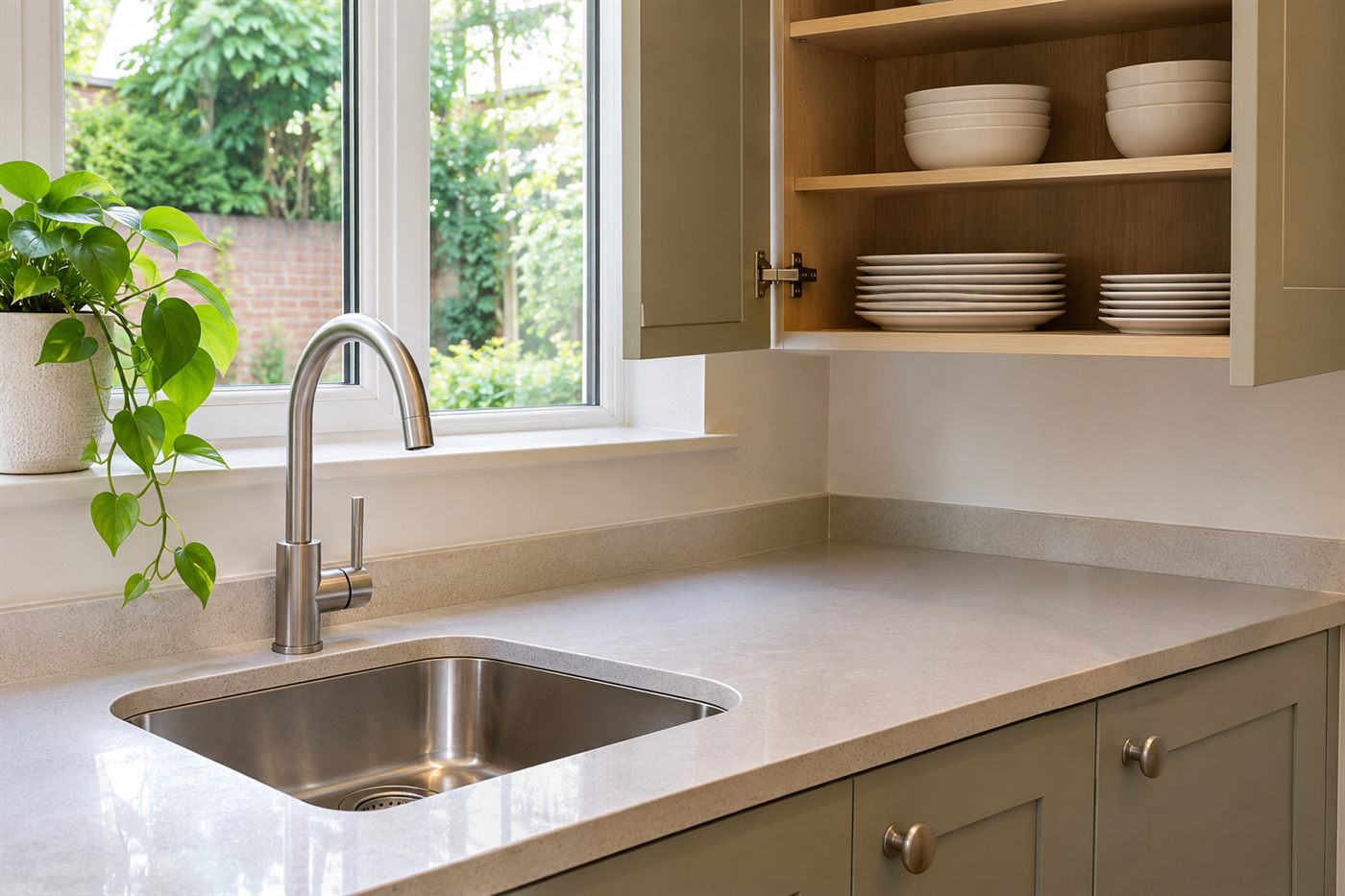
Check worktops, sink, taps, hob and appliance fronts. Remove crumbs and fingerprints. Open only the cupboards and appliances included in the handover scope, then look for obvious spills or items left by previous guests. Do not assume food can be discarded without the host’s policy. Confirm that the agreed table settings and basic supplies are present, using the property’s own list rather than a universal quantity.
Check the bin, floor edges and dining table. A clean oven exterior does not prove the interior has had a specialist clean. If heavy residue exceeds routine turnover work, record it for a separate visit. Ensure cleaning products are stored in the agreed safe place, away from guest food and out of sight where required.
Check the route as a guest would
After individual rooms, walk from the entrance through the living area, bedrooms, bathroom and kitchen without carrying cleaning equipment. This catches an overlooked towel, damp floor or cupboard left open. Check the light, smell and visible presentation in each space. A strong fragrance can mask a problem, so look for the source of an odour rather than spraying more scent. Open windows only according to the property’s security plan.
Use a few photographs for the final record if the host requires them, focusing on rooms rather than guest documents or personal belongings. Record the completion time and any area that remains unavailable. The checker should send a concise ready statement to the host. The host then authorises check-in and handles communication with the arriving guest.
Keep the checklist current
Review the list when furniture, equipment or the maximum guest count changes. Remove tasks for fixtures that no longer exist. Add a specific check when an omission repeats, such as a forgotten balcony door track, but keep the form short enough to use. A room handover should verify the normal condition of the property, while an exception process handles faults and delays.
For short-let cleaning or holiday rental cleaning, share this room checklist with the provider and agree who performs the final inspection. Clarify what is included in routine cleaning and what needs a separate appointment. A property-specific check gives the host a clear handover record and helps the next guest find the home as described.
Keep the record where the host can review it before arrival, rather than leaving a working sheet in the property.