
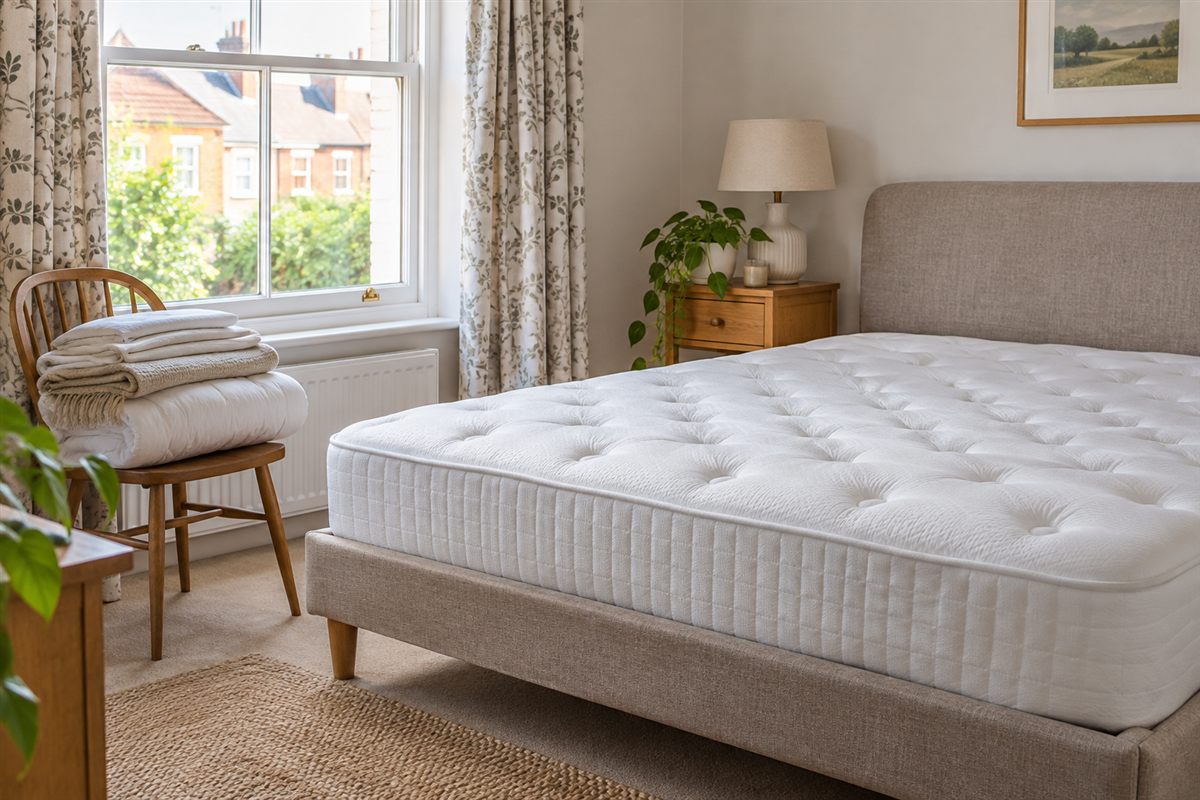
A mattress cleaning appointment starts with access and information, not with stripping every item from the bedroom. The person assessing the mattress needs to know its construction, care restrictions and what has happened to it. You need a plan for bedding, floor space and the time before the bed is used again. A little preparation helps avoid rushed decisions about a fabric or filling that may not tolerate the treatment you imagined.
Find the mattress details first
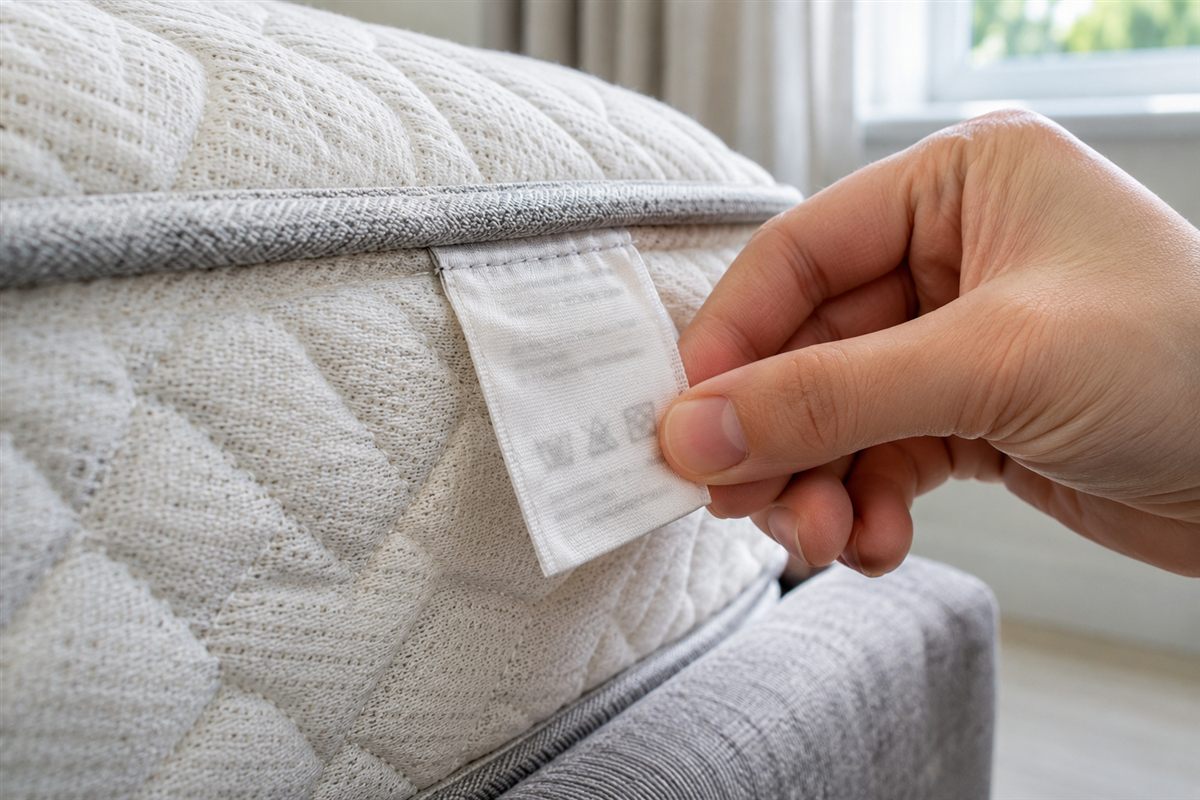
Look for the maker, model, size and care label. Keep the purchase record or product page if you have it. State whether it is sprung, foam, hybrid or another construction, but do not guess from its feel alone. A removable cover may have a separate label from the mattress beneath it. Photograph both labels so the cleaner can consider them before proposing a method.
TEMPUR’s UK care guidance illustrates why these details matter: some covers can be washed, while others with foam material must not be washed, and its guidance discourages vacuuming certain covers. John Lewis also restricts vacuuming on some natural filling mattresses. These are product specific examples, not rules for every bed. Follow the instructions for yours and do not start treatment before suitability is established.
Before the visit, write a list of questions: which parts are being assessed, whether the cover stays fitted, what products may be used, and when the bed can be made again. Keep that list with the label photographs. It prevents a hurried conversation at the door and gives you a useful record if the proposed scope changes after the cleaner sees the mattress.
Describe the reason for the visit
Separate general use from a particular spill, mark or odour. Note when a spill happened, what it contained and whether the mattress was wet beneath the cover. List every product already applied, including household remedies. A photograph of the whole mattress and a closer view of the area help show size and position. Do not promise yourself that a visible mark can be removed simply because its cause is known.
If the mattress has become substantially wet, smells musty or has visible damage, say so before booking ordinary cleaning. Moisture inside the filling may require a different assessment. A surface clean does not repair torn fabric, failed springs or a sagging base. Keep those concerns separate so you can decide whether cleaning is appropriate.
Clear a safe route through the room
Remove loose clothes, toys, cables and small objects from the floor around the bed. Make enough space for someone to reach the agreed sides without stepping over possessions. Put valuables and private papers away. If the bed sits against a wall or near a heavy wardrobe, explain that in advance rather than assuming furniture can be moved during the appointment.
Check access from the entrance to the bedroom, including stairs and narrow turns. Agree where equipment can be placed and whether parking or a communal entrance affects the visit. Keep children and pets away from the work area. Avoid moving a heavy mattress alone to make it appear ready; awkward handling can damage its structure or cause injury.
Strip the bed at the agreed time
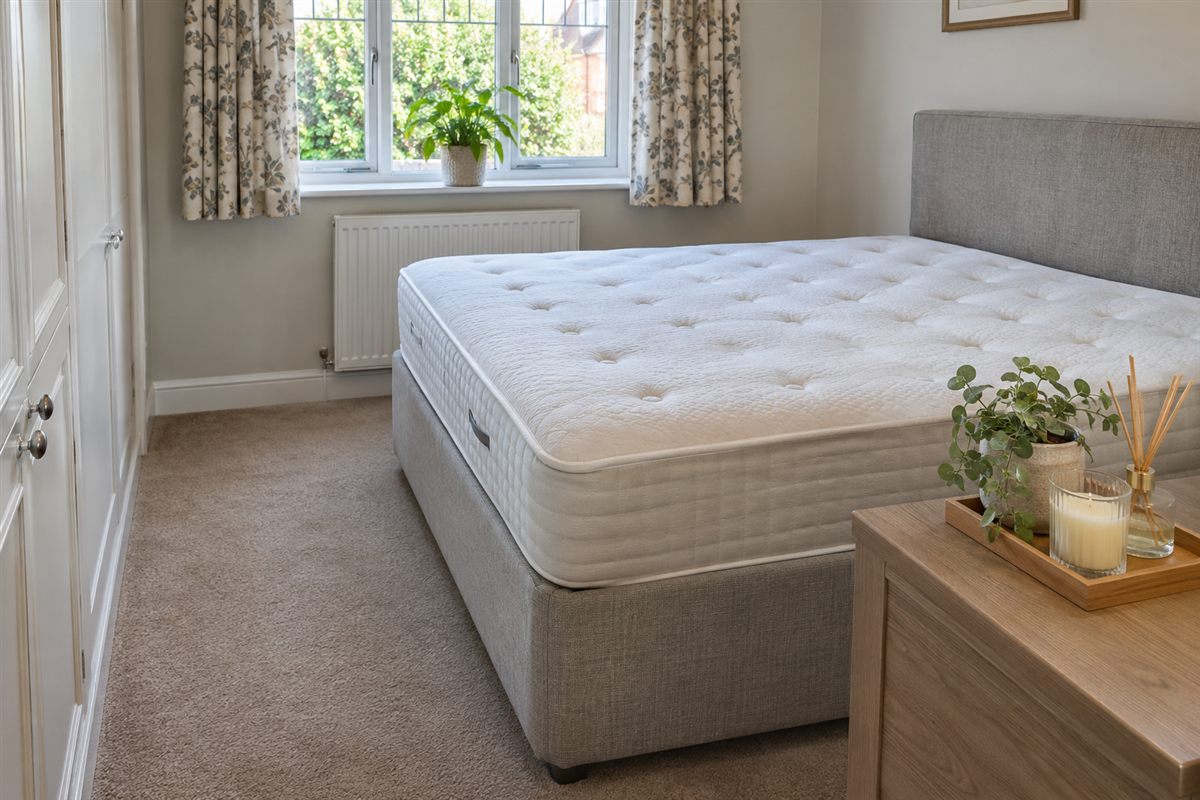
Ask what should be removed before arrival. Usually the cleaner needs access to the mattress surface, but fitted sheets, protectors, toppers and bed skirts may each have separate handling instructions. Place removed bedding somewhere clean and dry. Do not pile it on a chair that blocks the route or on a floor being cleaned at the same time.
Keep a topper distinct from the mattress. It may have another material, label and cleaning limit. If you want both assessed, say so when requesting the visit. A pillow, upholstered headboard or bed base is also a separate item. Do not assume the name mattress cleaning covers every soft furnishing in the room.
Do not pre-treat a mark
Blot a fresh suitable spill carefully with plain absorbent material if the maker’s instructions permit it, but avoid applying new chemicals just before the appointment. A series of products can make the mark harder to assess and may affect the textile. Do not use steam, bleach, strong fragrance or a wet vacuum without model specific approval. Tell the cleaner what you have already done instead of trying to hide it.
Leave labels and photographs available. A mark can be colour loss, surface residue or material damage, and each calls for a different discussion. A discreet test may be needed before any proposed treatment, especially when the cover is uncertain. A cautious assessment can result in a restricted method or a recommendation not to proceed on a vulnerable area.
Plan drying and another place to sleep
Ask how the proposed method affects return to use. Drying depends on the material, treatment, room and conditions; a fixed online estimate cannot settle your particular booking. Leave a suitable window before bedtime and ask whether you need an alternative sleeping place. Do not remake the bed while the surface or filling is still damp, even if the top feels less wet.
Keep the room available for the ventilation recommended after treatment. Avoid covering a damp mattress with a waterproof protector to make the room look finished. If several bedrooms need work, decide whether they can all be out of use together. A family may need to stagger appointments so there is somewhere practical to sleep.
Check the bed base and nearby surfaces
Once bedding is removed, look at accessible parts of the base and frame. Note a broken slat, damp patch or damaged support and report it separately. Cleaning the mattress surface cannot correct a frame problem. If you suspect a pest issue, stop and seek appropriate specialist assessment rather than asking a routine cleaner to treat it as ordinary dust.
Clear the bedside table and floor only as needed for the agreed work. If carpets or an upholstered headboard also need attention, discuss their materials, access and drying separately. Combining several treatments can change the room’s return to use and the time needed for a visit.
Record the assessment details
For mattress cleaning in Guildford, send the size, construction, label, photographs and spill history. Ask which surface is included and what preparation is required. If the headboard or a bedroom chair is part of the job, describe it under upholstery cleaning. A separate carpet cleaning enquiry should include the floor material and furniture arrangement. These details make the discussion useful without assuming one treatment suits every textile.
After the appointment, follow the advice for drying and replacing bedding, then keep the mattress care instructions accessible. Use a protector only if the maker permits one and care for it under its own label. When a new spill or mark appears, record it promptly and avoid experimenting with several remedies. Good preparation protects the bed and gives the cleaner the information needed to assess what can reasonably be done.