
A mug tips over, the dog brushes past a glass, or a child drops a bowl of cereal. Your first instinct may be to scrub the patch until it disappears. Resist that urge. With a fresh carpet spill, the immediate job is to pick up what you can without pushing it further into the pile. Cleaning products come later, if the carpet’s care instructions allow them.
You do not need a cupboard full of remedies. Start with clean white absorbent cloths or plain white kitchen roll, a spoon for solid material, and a clear space around the spill. Keep children and pets away while you work. If the liquid came from a leaking pipe or appliance rather than a small accident, stop the source and seek suitable help; that is a different problem.
1. Work out what has landed on the carpet
Before you reach for water, identify the substance as closely as possible. Plain water, tea with milk, cooking oil and an unknown cleaning chemical need different treatment. Check the container if you have it. A photograph of the patch and the product label can help if you later ask a professional to assess it.
Do not taste an unknown liquid or handle hazardous material as an ordinary household spill. Keep people away from broken glass, bodily fluids, sharp objects or anything with an unfamiliar chemical smell. You can still prevent people walking through the area, but a domestic stain-removal guide is not a suitable procedure for those situations.
2. Lift solids before touching the wet patch
For food, scrape gently with the edge of a spoon, working towards the centre. Lift the material away rather than spreading it across a larger area. Pick up loose pieces without grinding them into the fibres. A blunt utensil is easier to control than a knife, especially on a looped carpet.
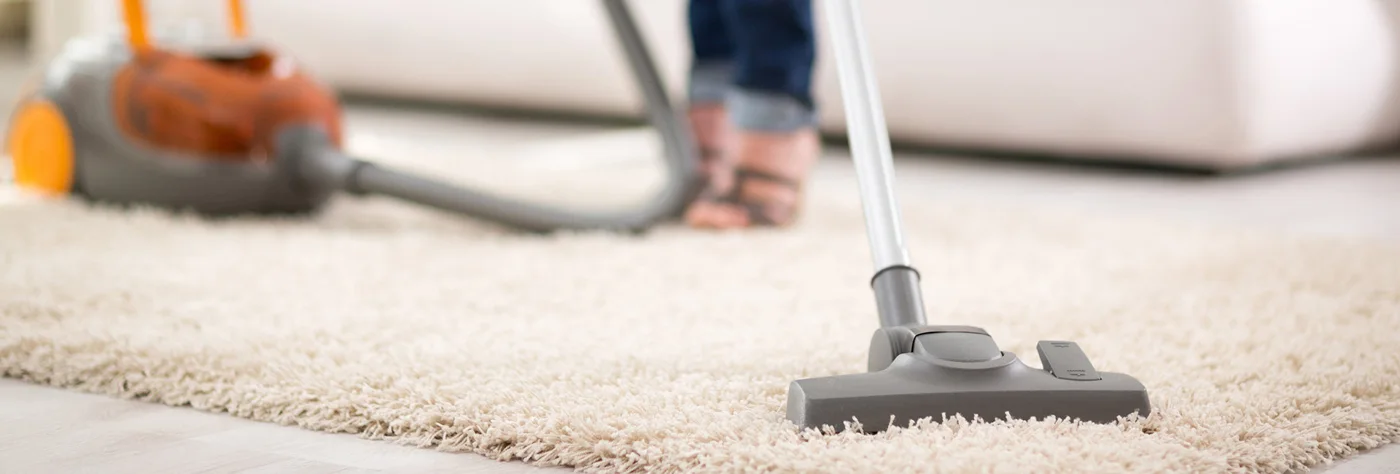
If there is broken glass, deal with the sharp pieces safely before blotting. Do not press a cloth down over fragments. An ordinary vacuum should not be used to suck up wet material unless its instructions specifically permit that use. Mixing liquid and a machine intended for dry dust introduces a separate equipment problem.
3. Blot with a clean white cloth
Place the cloth over the wet area and press gently down. Lift it, turn to a clean section and repeat. Work around the outside first so you do not spread the spill. Keep replacing saturated cloths; a towel that is already soaked cannot collect much more liquid.
The useful test is what transfers onto the cloth. If liquid is still coming out, carry on patiently. Avoid rubbing from side to side, brushing aggressively or twisting the fibres. Coloured towels and printed paper can add another mark. Plain white materials also make it easier to see whether the carpet itself is releasing colour.
4. Check the carpet before adding moisture
Look for the manufacturer’s care information, an installation invoice or a spare piece kept after fitting. Fibre content matters, but so do backing, dyes and previous treatments. A carpet described as wool mix should not automatically receive the same treatment as a synthetic carpet. The appearance of the pile is not a reliable identification method.
Be particularly cautious with natural plant fibres such as sisal or seagrass, delicate rugs, uncertain dyes and carpets with an existing water mark. If the instructions are missing, stop after careful dry blotting and ask for advice. Leaving a stain for assessment can be preferable to adding moisture that changes the colour or shape permanently.
5. Use the care label to choose the next step
If your carpet’s instructions expressly allow a particular spot-cleaning method, follow that method and its limits. Do not turn a small instruction to dab into permission to soak the area. Use the smallest amount needed and apply it in the manner the manufacturer specifies, rather than pouring a bottle directly onto the carpet.
Where the instructions require a test, choose a hidden patch and allow it to dry before judging the result. Watch for colour transfer, texture change and a visible edge. A successful wet test does not rule out a mark appearing on drying. If anything changes, stop using the product.
6. Avoid the kitchen-cupboard experiment
Salt, vinegar, washing-up liquid, bicarbonate of soda and household bleach are not a universal carpet-cleaning kit. A mixture that appears harmless on one floor can leave residue, alter a dye or affect another material. Adding several products also makes it harder for anyone assessing the stain to know what is now in the pile.
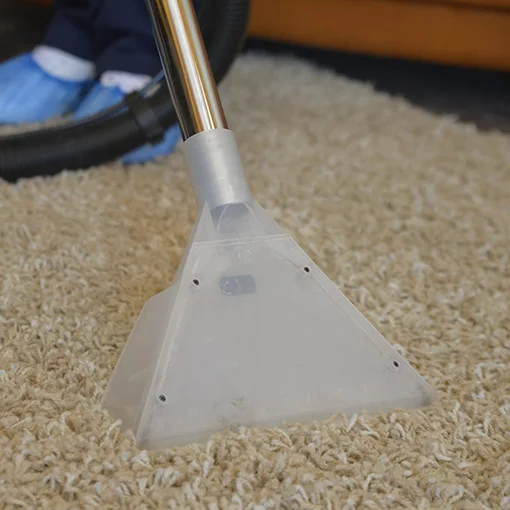
Do not try household solvents, strong stain removers or steam as a shortcut for an unidentified spill. Heat can change how some substances behave, while a large volume of water can carry the problem into the backing. If you have already applied something, keep its packaging and say exactly what you used.
7. Adjust your expectations to the spill
With a drink, you may remove the liquid quickly but still see colour afterwards. Milk, sauces and sugary drinks can leave material behind even when the surface looks better. With oil, ink, paint or cosmetics, ordinary blotting may remove loose material without resolving the mark. These are reasons to ask for assessment, not to scrub harder.
Do not measure success only while the carpet is damp. Wet fibres can look darker than the surrounding floor, and a mark may become clearer later. Equally, a pale patch may be colour loss rather than a substance that can be cleaned away. No honest advice can promise complete removal from a description alone.
8. Let the area dry without covering it
Once you have removed what you safely can, leave the area open to normal airflow. Keep traffic off the patch while it is damp. Do not replace a rug over it or push furniture back across it simply because the surface feels less wet. Moisture underneath may take longer to leave.
Use ordinary room ventilation where practical and safe. Do not aim a hairdryer or another concentrated heat source at the pile. The goal is controlled drying, not speed at any cost. If a substantial area remains wet, or you suspect the underlay is affected, stop treating it as a small spot-cleaning job.
9. Keep a brief record if the mark remains
Write down when the spill happened, what it was, and which actions you took. Include product names, approximate amounts and whether the stain changed during drying. A few clear photographs in daylight are more useful than a close-up so tight that nobody can see the size or location.
This record helps you explain the issue when arranging carpet cleaning. Mention fibre information if you have it, whether the carpet is fitted or loose, and any previous treatment. A professional still needs to consider the actual material and condition; photographs are a starting point for that conversation.
10. Know when to stop repeating the treatment
If the cloth is no longer collecting the spill but the mark remains, repeated wetting may add risk without much benefit. Stop if the pile changes texture, the patch spreads, colour comes onto the cloth, or an edge develops. More pressure and more product are not a dependable solution.
A mark that returns after drying also deserves assessment. Do not assume it proves the first cleaner used the wrong product or that a second household remedy will settle it. Several causes can produce a returning mark. Explain the sequence rather than guessing, and keep the patch accessible for inspection.
11. Separate rug care from fitted-carpet care
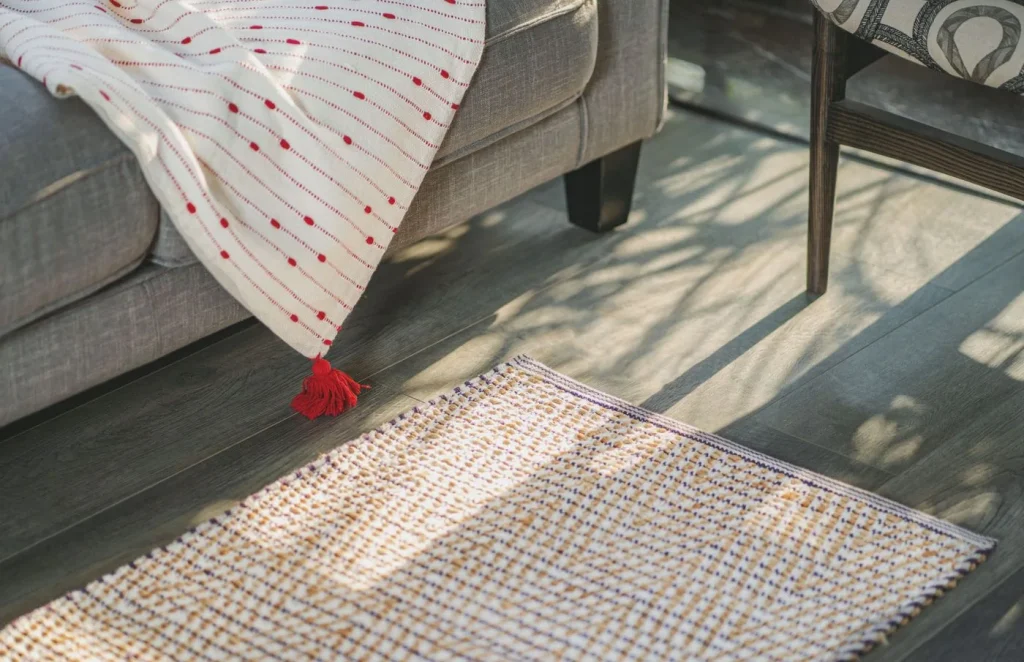
A loose rug may have a different fibre mix, fringe, dyes and construction from the fitted carpet beneath it. Avoid treating both as one surface. If liquid has passed through the rug, check what is underneath without dragging a wet rug across another floor. Ask before attempting to wash or extract it.
For a valuable or uncertain rug, use the rug cleaning information to prepare a more specific enquiry. Include photographs of the whole rug, its label and the affected section. Its value may be sentimental rather than financial; that is still a good reason to take a cautious approach.
A practical spill checklist to keep nearby
- Stop the spill and prevent people tracking it through the room.
- Lift loose solids carefully, checking first for sharp material.
- Blot with plain white absorbent cloths and keep changing them.
- Check the actual carpet instructions before introducing a product or water.
- Stop if colour, texture or the affected area changes.
- Keep the patch uncovered while it dries and record what you used.
You can keep this simple kit together without buying a special chemical for every possible accident. The important part is being able to respond calmly. Most mistakes happen when several people suggest different remedies and each one is tried before the last has dried.
Getting advice on a stubborn patch
The Carpet and Rug Institute care guide explains the importance of checking suitability and testing treatment. It does not replace the instructions for your own carpet. For a remaining mark in Guildford, send details of the spill and the material if known. Ask what can reasonably be assessed and what limitations may remain before agreeing to treatment.