
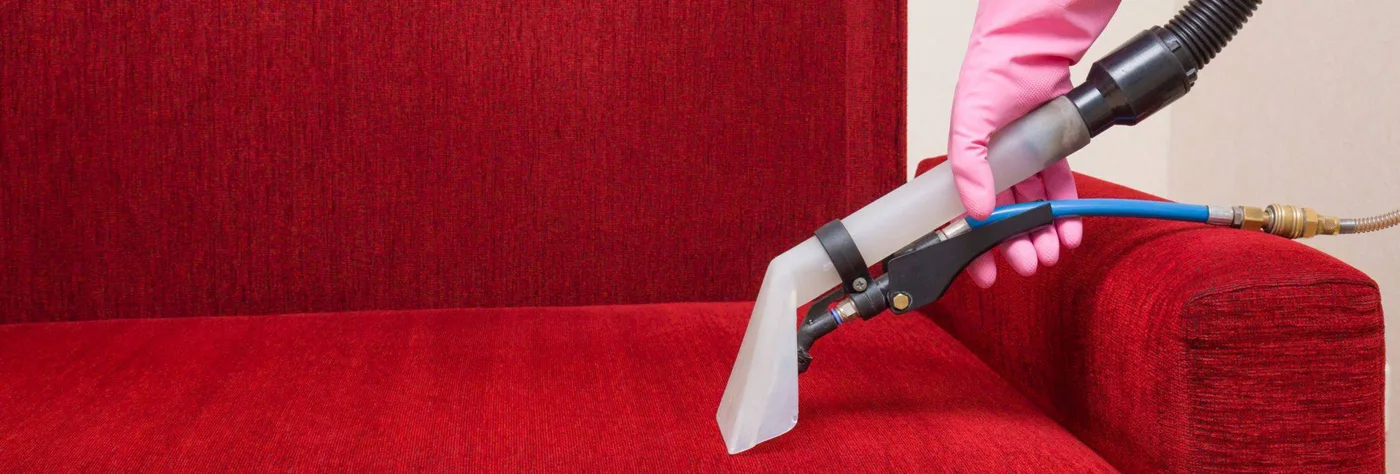
A fabric sofa collects the ordinary evidence of being used: crumbs along the seams, pet hair on the arms, dust beneath the cushions and the occasional drink mark. You do not need to treat every sign of family life as an emergency. A small, sensible routine makes the sofa easier to look after and helps you notice a problem before repeated use makes it harder to assess.
The starting point is the care information for that particular sofa. Fabric appearance alone will not tell you whether water, a washing machine or a cleaning product is suitable. Two similar-looking covers can have different instructions. Keep the label, order details or manufacturer’s guide somewhere you can find them before an accident happens.
Start with the sofa’s actual construction
Check whether the upholstery is fixed, whether cushion covers are removable, and whether the seat and back cushions have different fillings. A zip can give access for assembly or repair without making the cover washable. Look at instructions for the whole product, not just a fabric swatch that came with the order.
If the label has cleaning symbols, use the manufacturer’s explanation rather than guessing from an online chart intended for another market. Ask the retailer for the correct guide if the label is unclear. Note any restrictions on washing, drying, ironing, vacuuming or spot treatment. Those limits should shape your routine from the beginning.
Make a gentle weekly pass over the surfaces
Choose a time when nobody needs the sofa for a few minutes. Remove throws and loose objects, check for coins or sharp items, then follow the manufacturer’s guidance for vacuuming. A clean upholstery attachment is often easier to control than the floor head. Use an appropriate setting and avoid dragging rough edges over the fabric.
Work in small sections rather than making one hurried pass. Pay attention to the places where hands, hair and clothing rest. If the instructions allow the cushions to be lifted, remove loose debris underneath as well. Do not force fixed cushions away from their attachments or pull on seams to reach a narrow gap.
Give the seams and hidden corners some attention
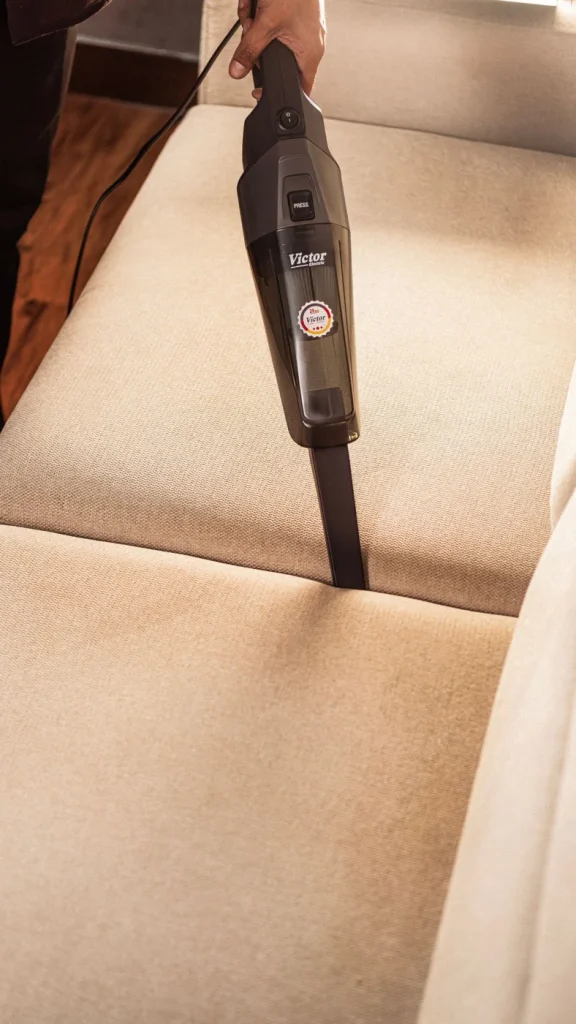
Crumbs gather where the seat meets the arms and where two cushions touch. Use a suitable crevice tool carefully if the sofa’s instructions permit it. Keep the nozzle from catching loose threads, piping or decorative trim. A tool that fits the space should not need to be pushed hard into it.
Check underneath only where access is straightforward. Moving a heavy sofa alone can damage the floor or strain your back. You can include difficult access in a cleaning enquiry instead of making it part of every weekly routine. If there is a sleeper mechanism, follow its operating instructions before opening it.
Deal with pet hair without pulling at the fabric
Start with the approved vacuum method. Loose hair often collects in the same places repeatedly, so short, regular passes may be more manageable than leaving it for weeks. Keep the vacuum attachment clean; a clogged brush can redistribute debris. Check throws separately, following their own washing labels rather than the sofa’s instructions.
A lint roller may be suitable for some fabrics but should not be assumed safe for every surface. Test cautiously if the manufacturer allows it and avoid strong adhesive products on delicate pile. Do not use abrasive brushes or sharp-edged scraping tools to prise out stubborn hair. Stop if the surface begins to look fuzzy or uneven.
Respond to spills before choosing a cleaner
Lift loose solid material carefully and blot liquid with a plain white absorbent cloth. Press and lift rather than rubbing backwards and forwards. Keep changing to a clean section of cloth. This initial step is about collecting the spill, not removing every trace at once or adding water to make it disappear.
Read the care instructions before any further treatment. Some fabrics allow a specified water-based method, others need different care, and some should receive no household spot treatment. The filling and backing matter as well as the visible fabric. If you cannot identify the permitted method, stop after gentle blotting and seek advice.
Keep spot treatment small and controlled
Where the manufacturer allows a particular product or method, follow the directions exactly. Test in the recommended hidden area and let it dry before judging colour and texture. Apply only what is instructed. Do not soak a cushion to chase a small mark, or treat the whole seat because the original patch still looks darker while damp.
Water rings, colour transfer and changes in pile are reasons to stop. Avoid mixing remedies or trying a succession of products without allowing the surface to dry. Tell anyone assessing the sofa what you have already used. There is no universal steam, bleach, vinegar or bicarbonate method that is appropriate for every upholstery fabric.
Wash removable covers only when the label permits it
If machine washing is allowed, check the temperature, programme, detergent guidance, load size and drying instructions. Keep track of which cover belongs to which cushion. Different parts of a sofa can have separate care requirements, even when they look similar. Avoid changing several instructions at once in the hope of a stronger clean.
Do not assume a cover can be tumble dried because it was safe to wash. Shrinkage can make refitting difficult, while poorly dried material can leave the sofa unusable. Follow the specific refitting instructions, including any guidance on how dry the cover should be. Never copy another owner’s method without checking that it applies to your model.
Let treated areas dry before normal use
Keep people and pets off a treated area while it remains damp. Leave space for normal airflow and avoid covering it immediately with a throw. A fabric surface may feel ready before moisture further inside has cleared. There is no useful fixed drying time that applies to every filling, room and treatment.
Do not use concentrated heat to force the process. If a cushion has become heavily wet, explain that when seeking advice rather than repeatedly drying only the visible surface. A musty smell or a wet filling needs a different conversation from a small surface spill. Do not disguise an unresolved smell with heavy fragrance.
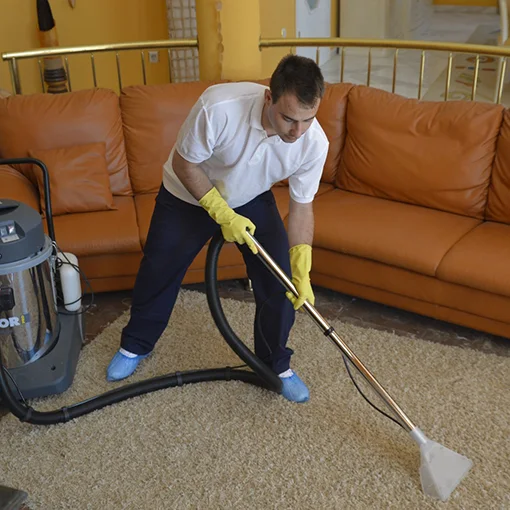
Look after the cushions as well as the cover
Follow the manufacturer’s guidance on plumping and positioning. Some cushions benefit from regular turning, while one-sided or shaped cushions cannot be reversed. Check how the sofa was designed before swapping everything around. A simple photograph of the original arrangement can help after you have removed covers or lifted several sections.
Pay attention to uneven wear. If everyone sits in one place, you may be able to vary the seating position or rotate permitted cushions. Cleaning cannot repair a collapsed filling, damaged seam or worn-through fabric. Keeping care and repair questions separate helps you ask for the right service rather than expecting one visit to solve both.
Reduce everyday marks without making the room precious
A washable throw can help in the place where a pet sleeps, provided its colour does not transfer and it is suitable for the sofa. Wash it according to its label. Keep meals and oily hand creams away from vulnerable arms where practical, and use a stable surface for drinks instead of balancing them on upholstery.
Consider direct sunlight and heating as part of the room arrangement. Follow any product guidance on placement rather than assuming all fabric has the same resistance to fading. A darker clean patch next to a faded section may reflect different wear, not dirt that can be removed from the whole sofa.
Choose the right professional enquiry
For a fabric sofa, the sofa cleaning page explains what information is useful before a visit. Provide the model or care label, number of seats, cushion arrangement and whether there is a chaise or recliner. Describe the issue plainly: general use, one spill, pet hair or a persistent smell.
If you also need chairs, a headboard or upholstered benches assessed, include them through upholstery cleaning rather than describing everything as a sofa. Leather panels need their own care considerations; a mixed-material piece should be identified accurately. Photographs of the whole item and the affected area are both useful.
A short routine you can actually keep
- Keep the model details and care guide accessible.
- Remove loose debris using the permitted method.
- Check seams and hidden corners without pulling or forcing access.
- Look after washable throws separately from the upholstery.
- Blot fresh spills, then consult the specific care instructions.
- Record any treatment before asking for a professional assessment.
Manufacturer examples underline why the label matters: the John Lewis Easy Clean guide describes care for its specified fabrics, rather than granting permission to treat every sofa the same way. When you are unsure about a mark or your label, ask about your particular sofa. Explain what has happened and what has already been tried, so the discussion begins with the facts.